Building the materials foundation for AI
The AI boom is becoming a materials challenge. As AI pushes computing into new territory, the materials behind that infrastructure are becoming just as crucial as the algorithms running on it. Semiconductors and data centers are approaching physical limits around performance, thermal management, electrical efficiency, and reliability, creating new demands for materials that can do…
Rights: fair use excerpt
Executive Summary
The artificial intelligence revolution is transitioning from a purely software and algorithmic challenge into a fundamental hardware bottleneck. According to a report by MIT Technology Review, the rapid expansion of AI applications is placing unprecedented pressure on the physical infrastructure that supports advanced computing. As algorithms grow more complex, the industry is increasingly forced to confront physical constraints in existing semiconductor designs and data center capabilities, shifting the focus of innovation toward the underlying materials that make these systems possible.
The report highlights that the physical hardware powering the AI boom is rapidly nearing its technological limits. Traditional silicon-based semiconductors are struggling to meet the escalating demands for higher performance and processing speeds. As these systems are pushed to their thresholds, the substrates themselves must evolve. This shift means that future breakthroughs in AI capabilities may rely less on writing more efficient code and more on developing novel materials that can sustain intense computational workloads without degrading or failing.
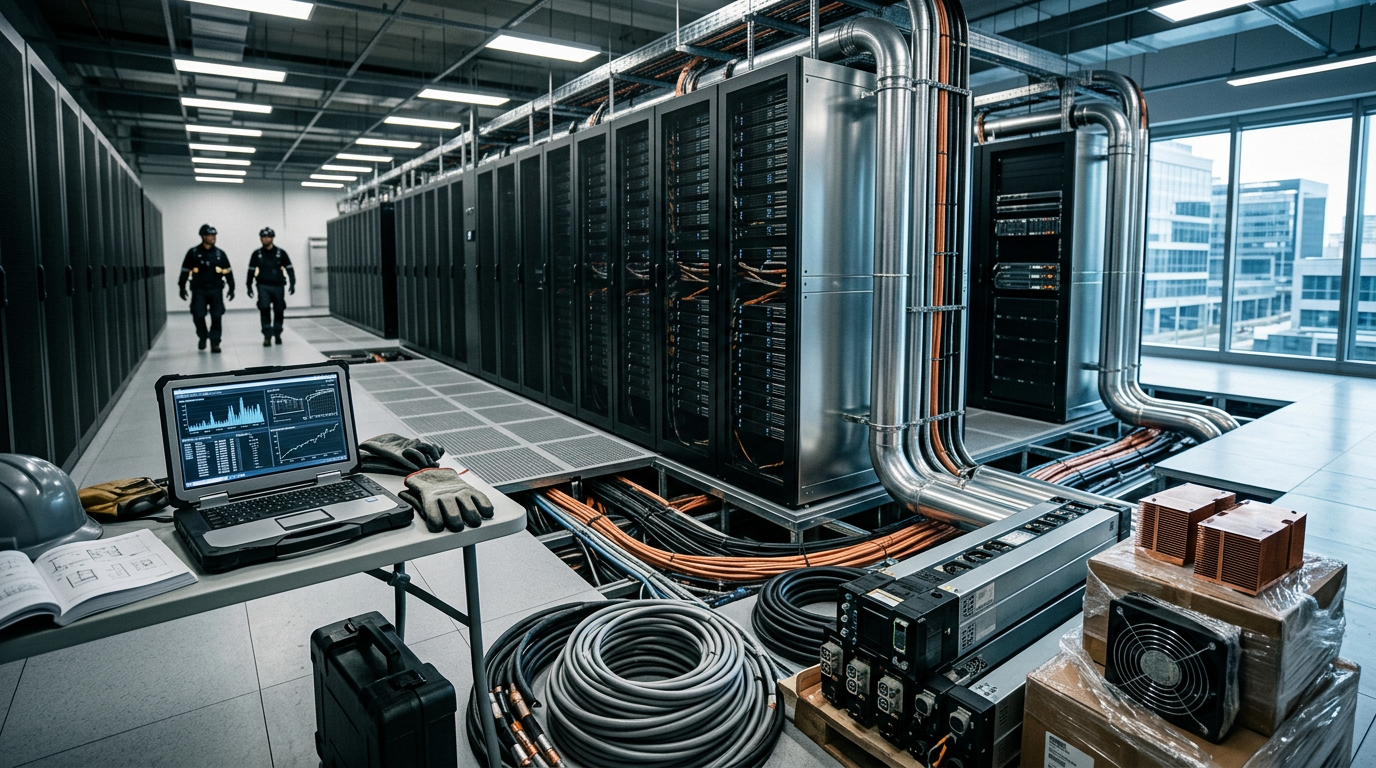
Beyond individual chips, the broader infrastructure supporting AI—specifically modern data centers—is facing severe operational constraints. The MIT Technology Review analysis points to heat regulation, power distribution efficiency, and long-term hardware reliability as critical pain points. High-performance computing clusters generate immense heat, requiring sophisticated cooling solutions, while their power consumption strains local and national grids. To overcome these hurdles, the industry must source and deploy advanced materials engineered specifically to dissipate thermal energy more effectively and conduct electricity with minimal loss.
This material-centric bottleneck is reshaping the technology supply chain. Hardware manufacturers, infrastructure developers, and researchers are being forced to collaborate more closely on materials science innovation. The race to build next-generation AI systems is no longer confined to Silicon Valley software firms; it now deeply involves materials scientists, chemical engineers, and advanced manufacturing specialists who can deliver the physical substrates capable of supporting tomorrow's computational demands.
For executives, founders, and leaders within the Valor & Ventures community, this shift highlights a critical pivot in the technology sector. As software advances collide with physical reality, investment and strategic focus must expand beyond application development to include the tangible supply chains of hardware and energy infrastructure. Understanding these material constraints is essential for leaders aiming to build resilient, scalable businesses in an era where physical resource availability and hardware limitations will increasingly dictate the pace of digital innovation.
This Executive Summary is an original synthesis by Valor & Ventures Media editors based on public reporting by MIT Technology Review. For the complete original article, please visit the source.
---
MIT Technology Review Insights · MIT Technology Review
Reporting and photography credited as noted above. Originally published by MIT Technology Review. The hero image on this page is an AI-generated illustration created by Valor & Ventures Media — not a photograph from the source publication.
Checking your membership…