Is the Chip Supercycle Here to Stay?
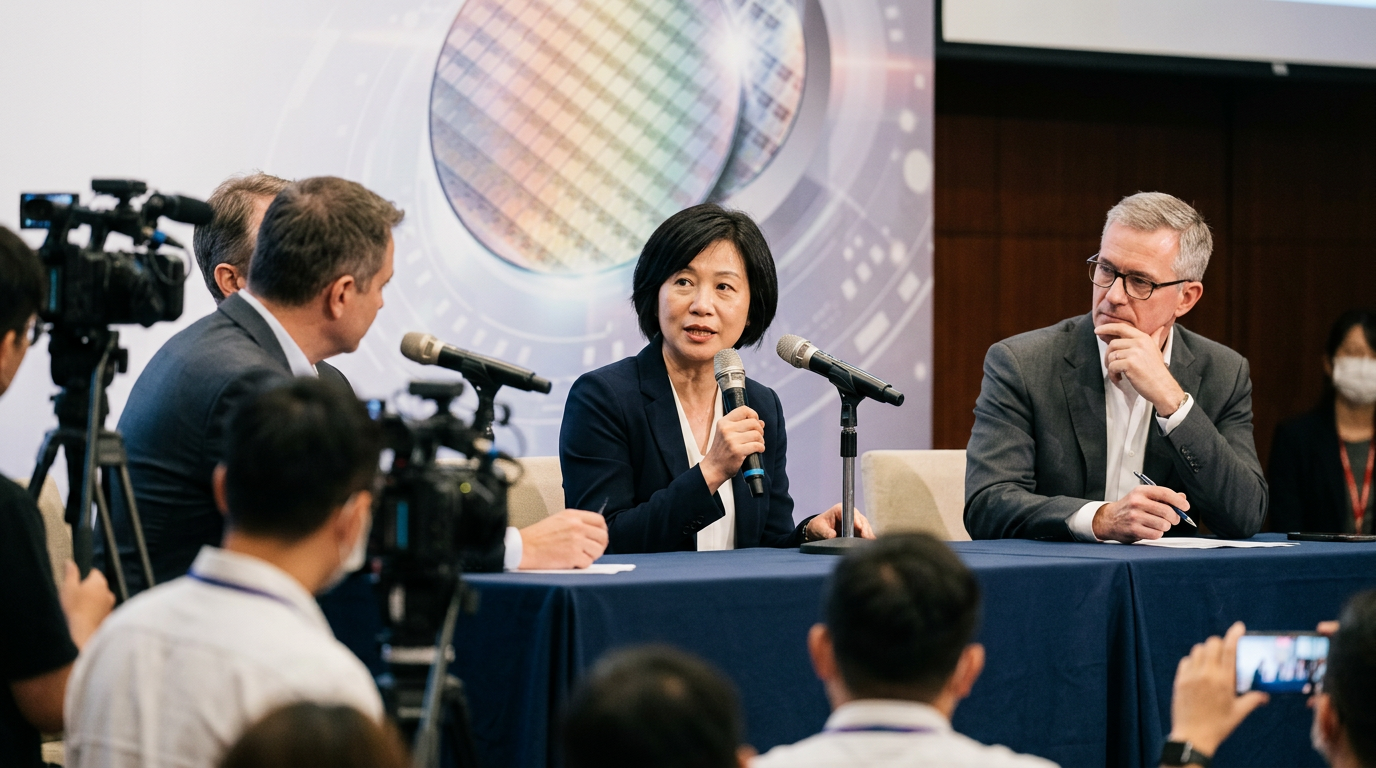
Semiconductor industry executives share their insights with Bloomberg on the sidelines of the SEMICON Taiwan 2026 in Taipei, weighing in on the AI-driven chip supercycle and its sustainability. (Source: Bloomberg)
Executive Summary
During the SEMICON Taiwan 2026 conference in Taipei, prominent semiconductor industry leaders and technology executives gathered to address the future trajectory of the global microchip sector. According to a Bloomberg report, the primary focus of these sideline discussions was the longevity and viability of the current artificial intelligence-driven chip "supercycle." As global demand for high-performance computing continues to rise, sector leaders are actively debating whether this period of rapid expansion represents a permanent structural shift in market dynamics or a temporary peak that may eventually subside.
The concept of an artificial intelligence-driven semiconductor supercycle, as analyzed by executives at the Taipei event, is heavily anchored in the massive infrastructure requirements of generative models and advanced digital processing. According to Bloomberg's coverage, the rapid integration of these complex technologies across various enterprise sectors has generated an unprecedented appetite for advanced silicon, specialized processors, and next-generation memory hardware. This surge has forced manufacturers to accelerate their development timelines and commit to substantial capital investments for new fabrication facilities, raising critical questions about how long such high levels of spending can be sustained by the market.
A primary point of discussion highlighted during the SEMICON Taiwan sessions involves the long-term sustainability of this heightened demand. Industry participants are currently weighing whether the current momentum can survive potential global economic headwinds, supply chain constraints, or an eventual stabilization in tech infrastructure deployment worldwide. The report from Bloomberg indicates that while optimism remains robust due to the foundational role of hardware in the modern digital economy, corporate leadership must carefully balance aggressive capacity expansion plans against the historic volatility of the hardware industry, where periods of severe undersupply are historically followed by significant market corrections.
For business executives, technology founders, and strategic leaders, the trajectory of the semiconductor market serves as a critical bellwether for the broader global economy. Because microchips are the essential building blocks for enterprise software, advanced defense systems, and consumer telecommunications, any major shift in the availability or cost of these components will have cascading effects across multiple global supply chains. Monitoring executive sentiment from major manufacturing hubs like Taiwan allows organizational leaders to make highly informed, proactive decisions regarding their own digital infrastructure investments, corporate procurement strategies, and long-term technological pipelines, ensuring they remain resilient in a rapidly changing technological landscape.
This Executive Summary is an original synthesis by Valor & Ventures Media editors based on public reporting by Bloomberg. For the complete original article, please visit the source.
Semiconductor industry executives share their insights with Bloomberg on the sidelines of the SEMICON Taiwan 2026 in Taipei, weighing in on the AI-driven chip supercycle and its sustainability. (Source: Bloomberg)
---
Bloomberg
Reporting and photography credited as noted above. Originally published by Bloomberg. The hero image on this page is an AI-generated illustration created by Valor & Ventures Media — not a photograph from the source publication.
Checking your membership…