Australia Reports First Bird Flu Case in a Mammal as Seal Dies
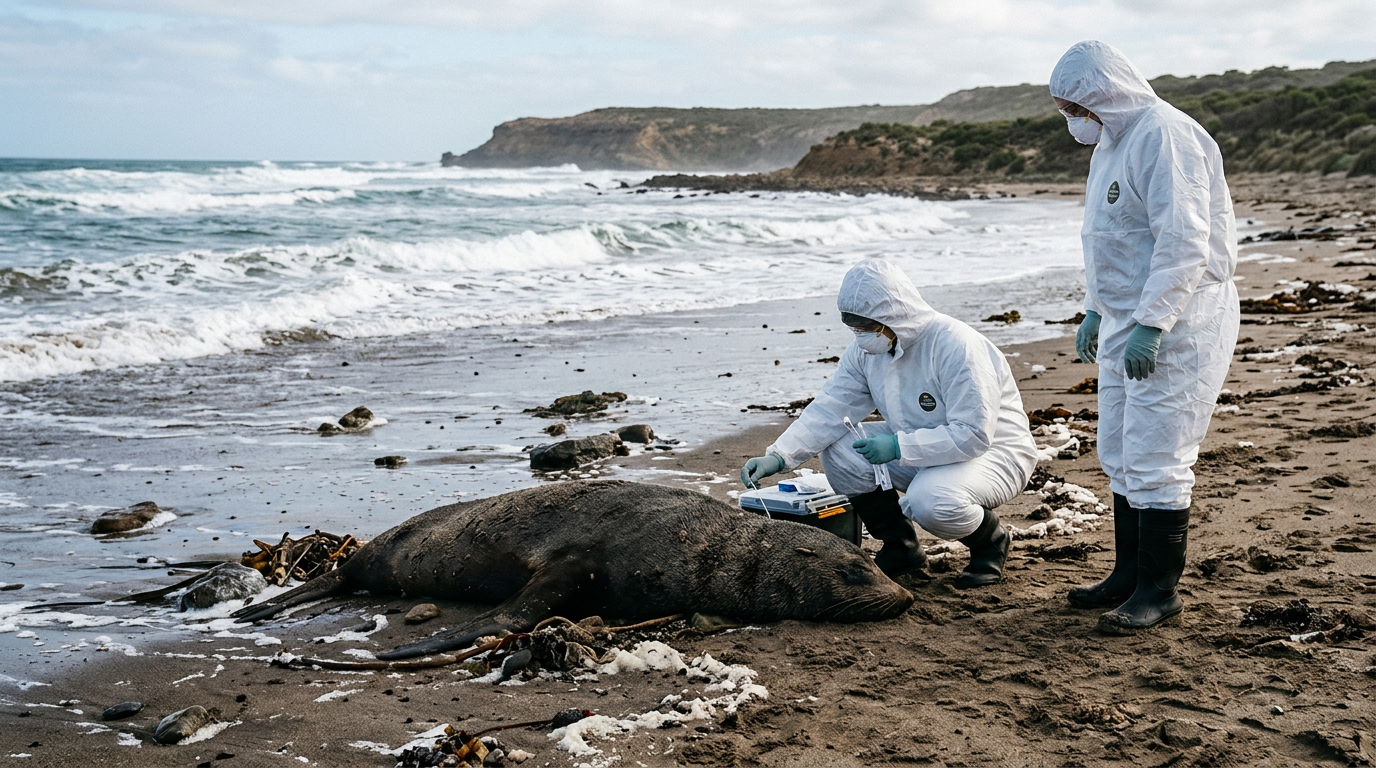
Australia reported its first confirmed case of the H5 bird flu in a mammal, after a long-nosed fur seal was found dead in South Australia.
Executive Summary
Australia has recorded its inaugural mammalian detection of the H5 avian influenza virus following the discovery of a deceased fur seal of the long-nosed variety within the southern region of the country, according to a report by Bloomberg. This milestone represents a significant shift in the geographic and species footprint of the pathogen within the Australian continent, which had previously managed to avoid mammalian infections of this specific viral strain. The discovery, documented by journalist Edward Johnson, highlights the ongoing expansion of the virus across global wildlife populations.
According to the outlet, the identification of the pathogen in a marine mammal marks a critical juncture for regional biosecurity and environmental authorities. The carcass of the long-nosed species of seal, located within South Australia, underwent testing that confirmed the presence of the H5 subtype. While avian influenza has historically targeted wild and domestic bird populations, its transition to mammalian hosts raises concerns among ecological monitoring agencies and agricultural officials who track the movement of zoonotic pathogens across different ecosystems.
The confirmation of the virus in a marine mammal within the state of South Australia introduces new complexities for local environmental management. Historically, geographical isolation has provided Australia with a natural buffer against many global pathogen outbreaks. However, the virus's presence in a mobile marine species demonstrates how migratory patterns and ocean-dwelling wildlife can bypass traditional geographical barriers. This highlights the critical need for robust, continuous environmental surveillance and rapid diagnostic capabilities across coastal regions to track potential mutations or further cross-species transmission events.
The detection in a southern Australian seal emphasizes the challenges of containing highly transmissible pathogens within wild marine and coastal environments. Zoonotic transmissions of this nature typically prompt heightened surveillance of local livestock, poultry operations, and coastal wildlife sanctuaries to prevent further spread. For industries connected to agriculture, maritime trade, and ecological management, such developments necessitate a reevaluation of biosecurity protocols and early-warning systems to mitigate potential disruptions to food supply networks and regional biodiversity.
For executives, business founders, and civic leaders, this development underscores the vital intersection of ecological health, global supply chain resilience, and corporate risk management. Biosecurity threats are no longer isolated environmental concerns; they represent systemic risks that can influence trade regulations, agricultural outputs, and public health policies. Leaders must remain informed about these shifting biological vectors, ensuring that organizational contingency plans account for sudden shifts in regional health and safety guidelines that could impact workforce stability and operational continuity.
This Executive Summary is an original synthesis by Valor & Ventures Media editors based on public reporting by Bloomberg. For the complete original article, please visit the source.
Australia reported its first confirmed case of the H5 bird flu in a mammal, after a long-nosed fur seal was found dead in South Australia.
---
Edward Johnson · Bloomberg
Reporting and photography credited as noted above. Originally published by Bloomberg. The hero image on this page is an AI-generated illustration created by Valor & Ventures Media — not a photograph from the source publication.
Checking your membership…