No Urgency for Fed to Hike: Goncalves
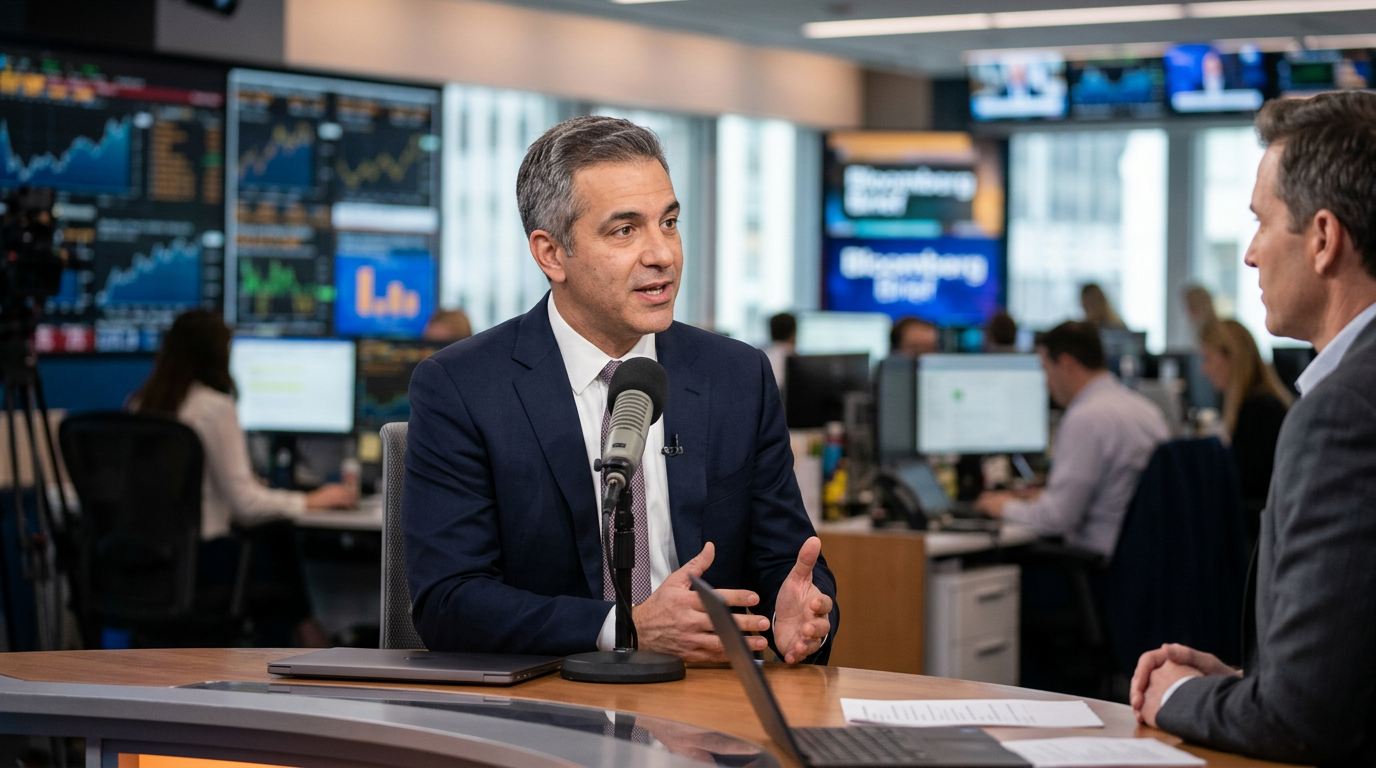
George Goncalves of MUFG discusses Fed Chair Kevin Warsh’s hawkish Jackson Hole remarks, the outlook for inflation and interest rates, and what upcoming jobs and CPI data could mean for a potential Fed hike. He also examines Treasury yields, market expectations and the longer-term impact of AI on productivity and inflation. He joins Bloomberg's Vonnie Quinn on "Bloomberg Brief." (Source: Bloomberg
Executive Summary
In a recent broadcast of "Bloomberg Brief" hosted by Vonnie Quinn, MUFG's George Goncalves shared critical insights into the trajectory of U.S. monetary policy following the Federal Reserve's latest high-level gatherings. The discussion centered on the hawkish tone set by Federal Reserve Chair Kevin Warsh during his highly anticipated address at the Jackson Hole economic symposium. According to the Bloomberg interview, Goncalves argued that despite the central bank's firm rhetoric, policymakers are under no immediate pressure to raise interest rates, suggesting a more patient approach is likely in the cards.
The dialogue focused on the crucial economic indicators that will dictate the Fed's next steps, with a particular emphasis on incoming employment figures and inflation reports. Goncalves noted that upcoming jobs data and the Consumer Price Index will be pivotal in determining whether the central bank feels compelled to tighten monetary policy further. The strategist highlighted that market participants are intensely analyzing these reports to calibrate their expectations. This data-dependent posture has also had a direct impact on the fixed-income sector, driving volatility in Treasury yields as investors attempt to price in the Federal Reserve's next moves.
Looking beyond the immediate horizon of interest rate hikes, the interview explored structural shifts that could fundamentally alter the economic landscape. A key focus was the long-term impact of artificial intelligence on corporate productivity and broader inflation dynamics. While technological innovations in AI hold the promise of driving down operational costs and enhancing output over time, Goncalves cautioned that these structural benefits will take time to materialize. Consequently, traditional economic indicators will continue to dominate the Fed's decision-making process for the foreseeable future.
For the corporate executives, military veterans transitioning to business leadership, and founders who read Valor & Ventures Media, this analysis underscores the importance of strategic patience. As the Federal Reserve adopts a wait-and-see attitude guided by key data points, businesses must remain agile, ensuring that their capital allocation and hiring plans can withstand prolonged periods of elevated interest rates. Monitoring how these macroeconomic shifts intersect with emerging technologies like artificial intelligence will be essential for leaders aiming to position their organizations for sustainable growth in a fluctuating economic environment.
This Executive Summary is an original synthesis by Valor & Ventures Media editors based on public reporting by Bloomberg. For the complete original article, please visit the source.
George Goncalves of MUFG discusses Fed Chair Kevin Warsh’s hawkish Jackson Hole remarks, the outlook for inflation and interest rates, and what upcoming jobs and CPI data could mean for a potential Fed hike. He also examines Treasury yields, market expectations and the longer-term impact of AI on productivity and inflation. He joins Bloomberg's Vonnie Quinn on "Bloomberg Brief." (Source: Bloomberg
---
Bloomberg
Reporting and photography credited as noted above. Originally published by Bloomberg. The hero image on this page is an AI-generated illustration created by Valor & Ventures Media — not a photograph from the source publication.
Checking your membership…