Pakistan Inflation Exceeds Forecast, Keeps Central Bank Wary
Pakistan’s inflation rose faster than expected last month, keeping policymakers on guard as the Middle East conflict threatens to add to cost pressures and complicate the economic outlook.
Executive Summary
According to a report by Bloomberg's Bilal Hussain, Pakistan has experienced a sharper-than-anticipated rise in consumer price inflation. This unexpected acceleration in costs has placed the country's central bank and monetary policymakers on heightened alert. The sudden uptick in inflationary pressure, occurring just as global markets face renewed volatility, signals potential complications for the South Asian nation's ongoing economic stabilization efforts and underscores the delicate balance regulators must maintain in managing domestic price stability.
The primary external catalyst compounding this economic challenge is the ongoing conflict in the Middle East, as detailed in the Bloomberg coverage. Monetary authorities are particularly concerned that regional instability could introduce substantial supply-side disruptions, specifically through increased commodity costs and logistics complications. Because Pakistan remains highly sensitive to global market fluctuations, any prolonged geopolitical friction in the Middle East threatens to exacerbate domestic cost pressures, making the task of curbing inflation significantly more difficult for monetary authorities.
As a result of these converging factors, the central bank is maintaining a highly cautious stance, closely monitoring both internal demand indicators and external supply shocks. Bloomberg reports that the unexpectedly high inflation figures have complicated the country's overall economic outlook. Central bankers, who must weigh the necessity of adjusting policy rates to cool prices against the risk of stifling broader fiscal growth, now face a more intricate decision-making landscape as they attempt to steer the economy through these turbulent international developments.
This situation illustrates the broader challenges faced by emerging markets that are highly dependent on stable international trade routes and steady global pricing. When external geopolitical events disrupt supply chains, the resulting domestic price hikes can quickly undo months of careful monetary planning. For Pakistan, the combination of domestic market pressures and external geopolitical uncertainty creates a challenging environment where policy decisions must be continuously reassessed to prevent a wider economic slowdown.
For global executives, founders, and civic leaders within the Valor & Ventures Media community, this development highlights the critical link between regional geopolitical crises and localized economic performance. When conflict in one part of the world threatens supply chains, the resulting inflationary waves can rapidly reshape the monetary policies of developing economies and alter global market dynamics. Leaders operating in emerging markets or managing international supply networks must remain vigilant, recognizing that macroeconomic stability in interconnected systems is frequently vulnerable to sudden geopolitical shifts.
This Executive Summary is an original synthesis by Valor & Ventures Media editors based on public reporting by Bloomberg. For the complete original article, please visit the source.
Pakistan’s inflation rose faster than expected last month, keeping policymakers on guard as the Middle East conflict threatens to add to cost pressures and complicate the economic outlook.
---
Bilal Hussain (News) · Bloomberg
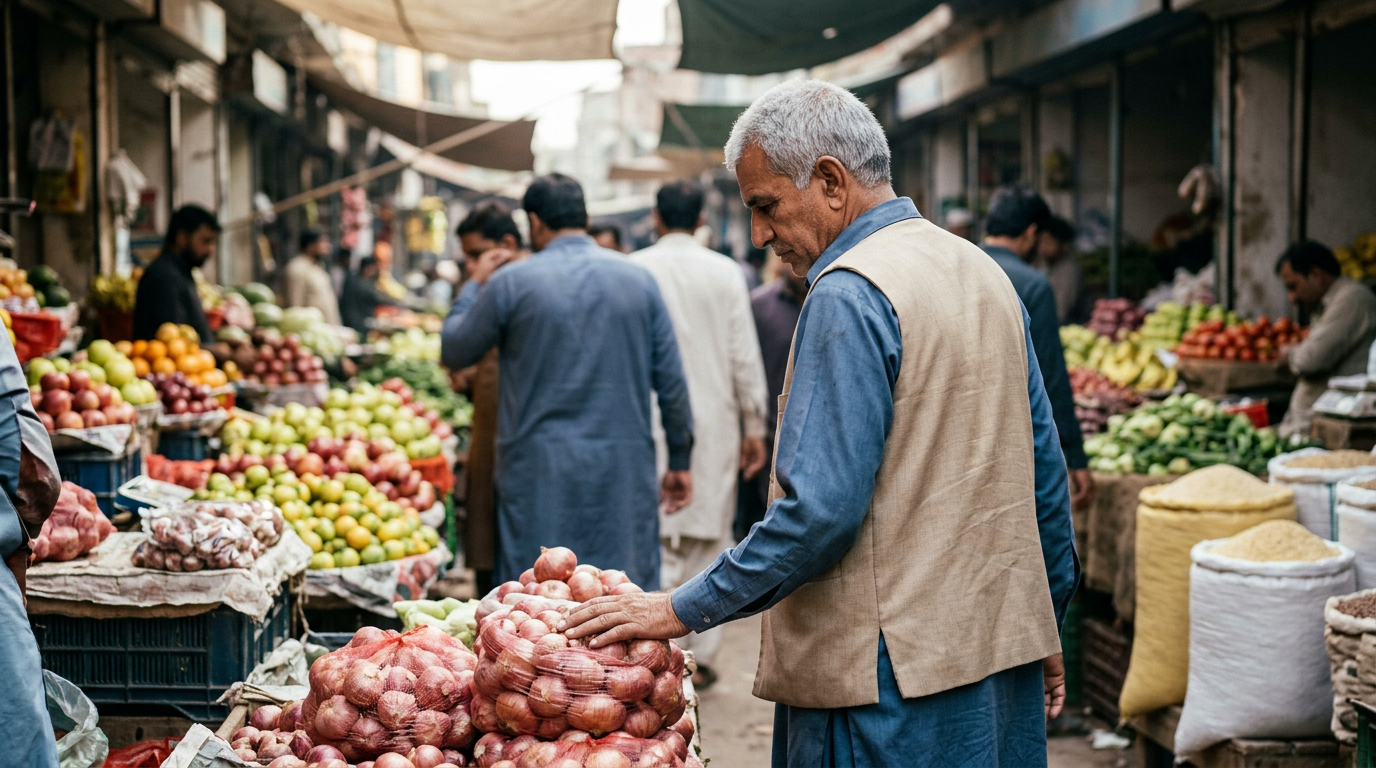
Reporting and photography credited as noted above. Originally published by Bloomberg. The hero image on this page is an AI-generated illustration created by Valor & Ventures Media — not a photograph from the source publication.
Checking your membership…