Jerome Powell still has one vote on whether rates go up — the same as Kevin Warsh
Powell is no longer Fed chairman, but he still has a vote on whether to raise interest rates.
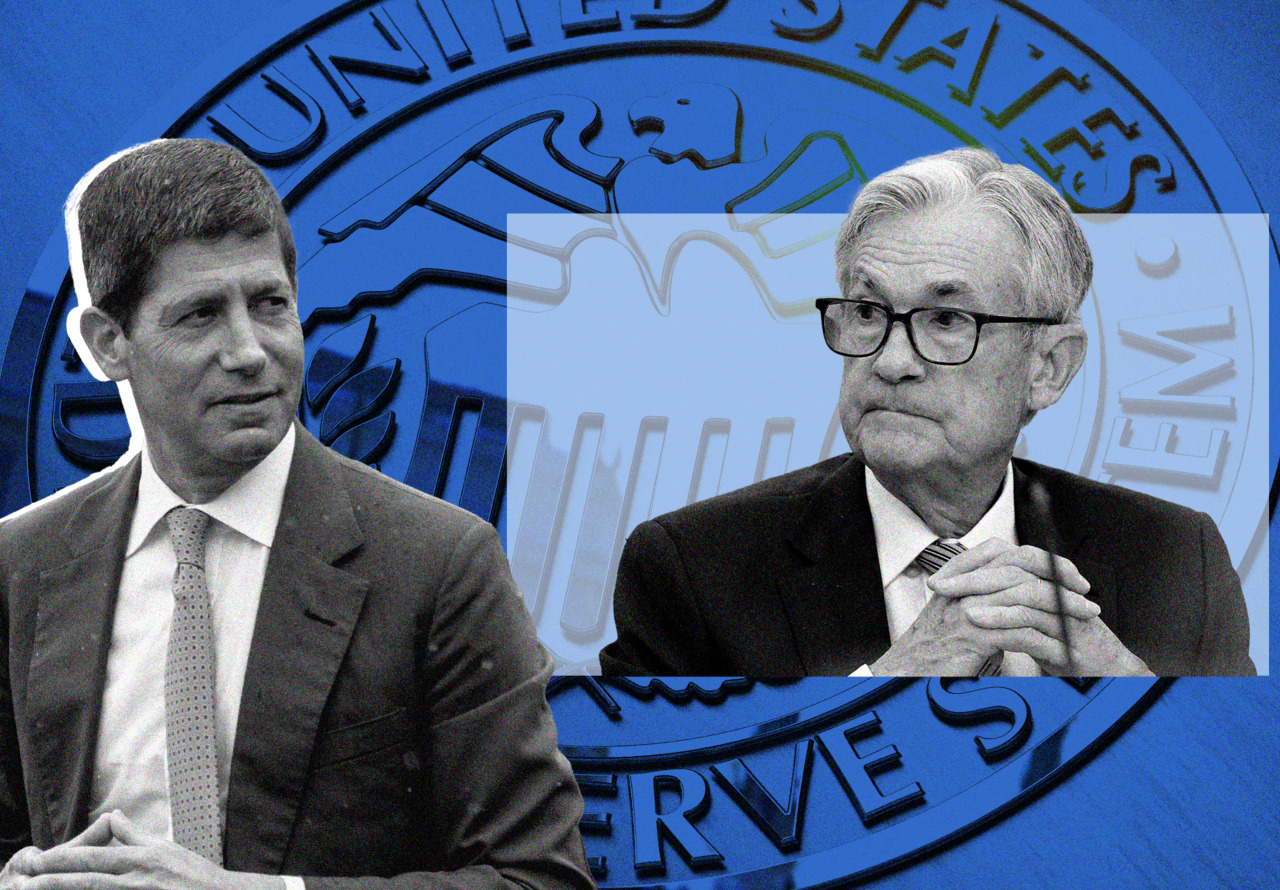
Executive Summary
According to a recent report by MarketWatch, Jerome Powell, despite no longer holding the position of Federal Reserve chairman, continues to retain a critical vote in determining whether U.S. interest rates will rise. This development shifts the focus toward the decentralized nature of monetary policy decision-making, where influence is distributed among multiple policymakers rather than concentrated solely in the hands of the active leadership. The outlet notes that Powell's voting authority on these crucial financial adjustments remains fully intact.
The reporting by MarketWatch draws a direct parallel between Powell's current influence and that of Kevin Warsh, highlighting that both individuals possess equal voting power on the trajectory of interest rates. This equal footing underscores a policy environment where former leadership and established monetary experts share the same level of authority in the voting booth. By emphasizing that Powell retains a single vote, the publication points to a structure where institutional memory and ongoing oversight coexist alongside newer administrative directions.
This division of voting rights illustrates a deliberate design aimed at tempering individual influence over the broader financial landscape. The fact that a former leader holds the exact same voting weight as other committee members, such as Warsh, demonstrates that the central bank’s decision-making process relies on a consensus-driven framework. MarketWatch's coverage highlights this parity, suggesting that the path of interest rates is shaped by a collection of individual perspectives rather than a top-down executive order.
Furthermore, this balance of power between past and present policymakers ensures that rate decisions are subjected to rigorous internal debate. With figures like Powell and Warsh holding equal votes, the central bank maintains a blend of historical context and fresh economic analysis. This structural continuity is designed to foster confidence among market participants, who look for predictability and deliberative caution in any policy shifts regarding borrowing costs.
For the veterans, entrepreneurs, and executive readers of Valor & Ventures Media, these governance mechanics carry significant strategic weight. The reality that a former chairman retains an active, equal vote alongside other policymakers means that monetary policy transitions are rarely abrupt. Business leaders and founders must navigate these voting alignments when forecasting the cost of capital, as the collective decisions of this voting body directly dictate the macroeconomic conditions under which businesses operate, expand, and invest.
This Executive Summary is an original synthesis by Valor & Ventures Media editors based on public reporting by MarketWatch. For the complete original article, please visit the source.
Powell is no longer Fed chairman, but he still has a vote on whether to raise interest rates.
---
Charlie Garcia · MarketWatch · Photo: MarketWatch photo illustration/Getty Images, iStockphoto
Reporting and photography credited as noted above. Originally published by MarketWatch.
Checking your membership…