Palm Oil Hits Highest Since 2024 as Biofuels, El Niño Cut Supply
Palm oil climbed to its highest level in about 20 months, as rising biofuel demand and mounting production risks from the strengthening El Niño underpin prices.
Executive Summary
Global commodity markets are experiencing a significant shift as palm oil prices have surged to their highest peak in nearly two years. According to a Bloomberg report by journalists Eko Listiyorini and Kanupriya Kapoor, this rapid valuation increase is primarily driven by a combination of accelerating biofuel consumption and severe agricultural supply risks. The commodity, which serves as a foundational ingredient in countless consumer products and industrial applications, is facing a tightening market that reflects broader trends in global trade, energy transition, and environmental instability.
A major factor on the supply side is the mounting threat posed by the intensification of the El Niño weather phenomenon. The Bloomberg report highlights that this cyclical climate pattern is introducing substantial production risks across major growing regions. El Niño is historically associated with altered rainfall patterns, often bringing prolonged dry spells to the tropical zones where palm cultivation is concentrated. These unfavorable weather conditions threaten to disrupt harvesting schedules and lower overall crop yields, leading to concerns over near-term market availability and prompting buyers to secure supplies at higher rates.
Simultaneously, demand-side factors are compounding the upward pressure on prices. The Bloomberg analysis attributes a significant portion of the price strength to the growing requirements of the biofuel sector. As nations seek to diversify their energy portfolios and reduce reliance on fossil fuels, palm oil has increasingly become a sought-after feedstock for renewable diesel and biodiesel production. This escalating demand from the energy sector directly competes with traditional consumer goods industries, creating a complex supply-and-demand dynamic that continues to support high pricing structures globally.
For the Valor & Ventures Media audience—including corporate founders, supply chain executives, and investment leaders—this market development underscores the volatile intersection of environmental policy, weather cycles, and commodity dependencies. The sharp rise in palm oil costs highlights how quickly climate disruptions can translate into financial pressures for manufacturing and logistics networks. Navigating this landscape requires business leaders to maintain high operational agility, carefully assessing how shifting raw material costs will affect product margins, alternative energy strategies, and long-term procurement planning in an increasingly unpredictable global economy.
This Executive Summary is an original synthesis by Valor & Ventures Media editors based on public reporting by Bloomberg. For the complete original article, please visit the source.
Palm oil climbed to its highest level in about 20 months, as rising biofuel demand and mounting production risks from the strengthening El Niño underpin prices.
---
Eko Listiyorini and Kanupriya Kapoor · Bloomberg
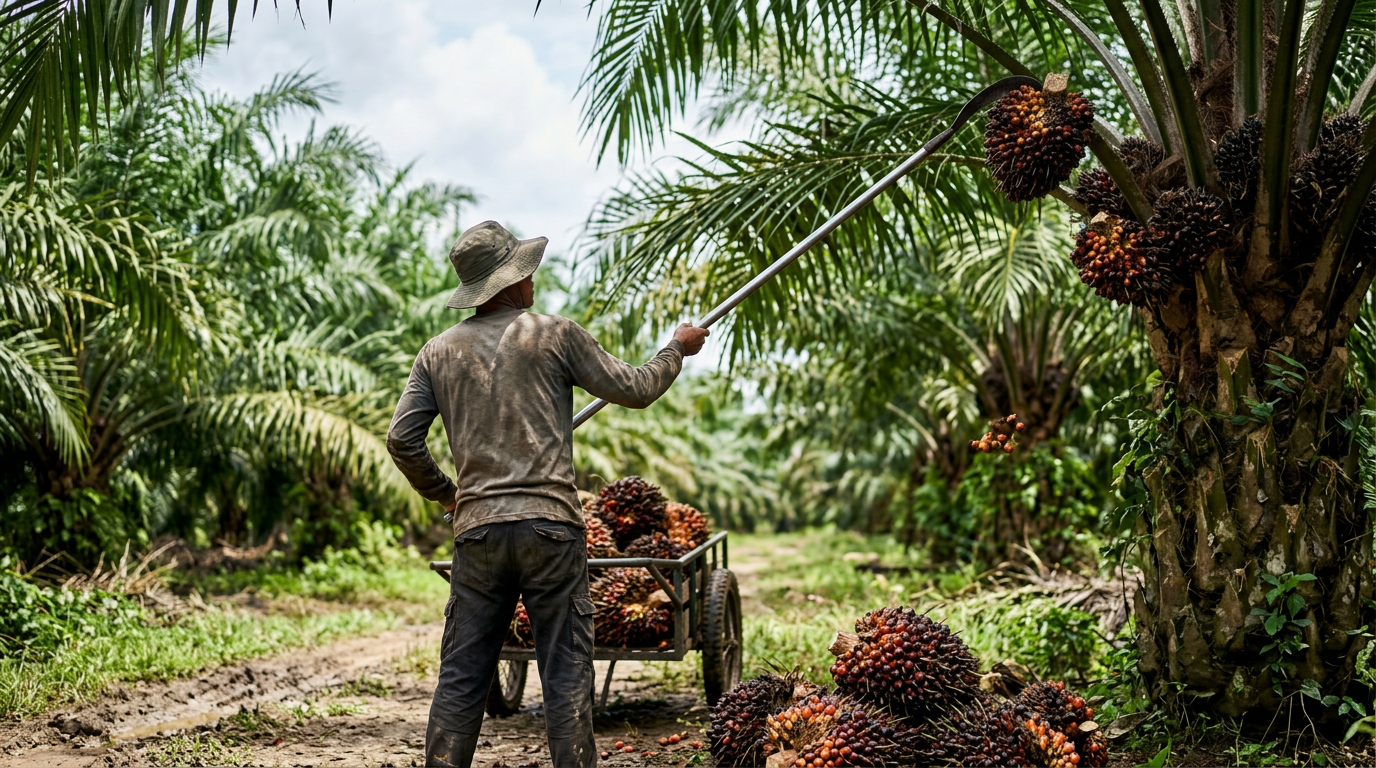
Reporting and photography credited as noted above. Originally published by Bloomberg. The hero image on this page is an AI-generated illustration created by Valor & Ventures Media — not a photograph from the source publication.