Walking a mile: Navy nurses train with VA to better serve Veterans - VA News (.gov)
Walking a mile: Navy nurses train with VA to better serve Veterans VA News (.gov)
Rights: fair use excerpt
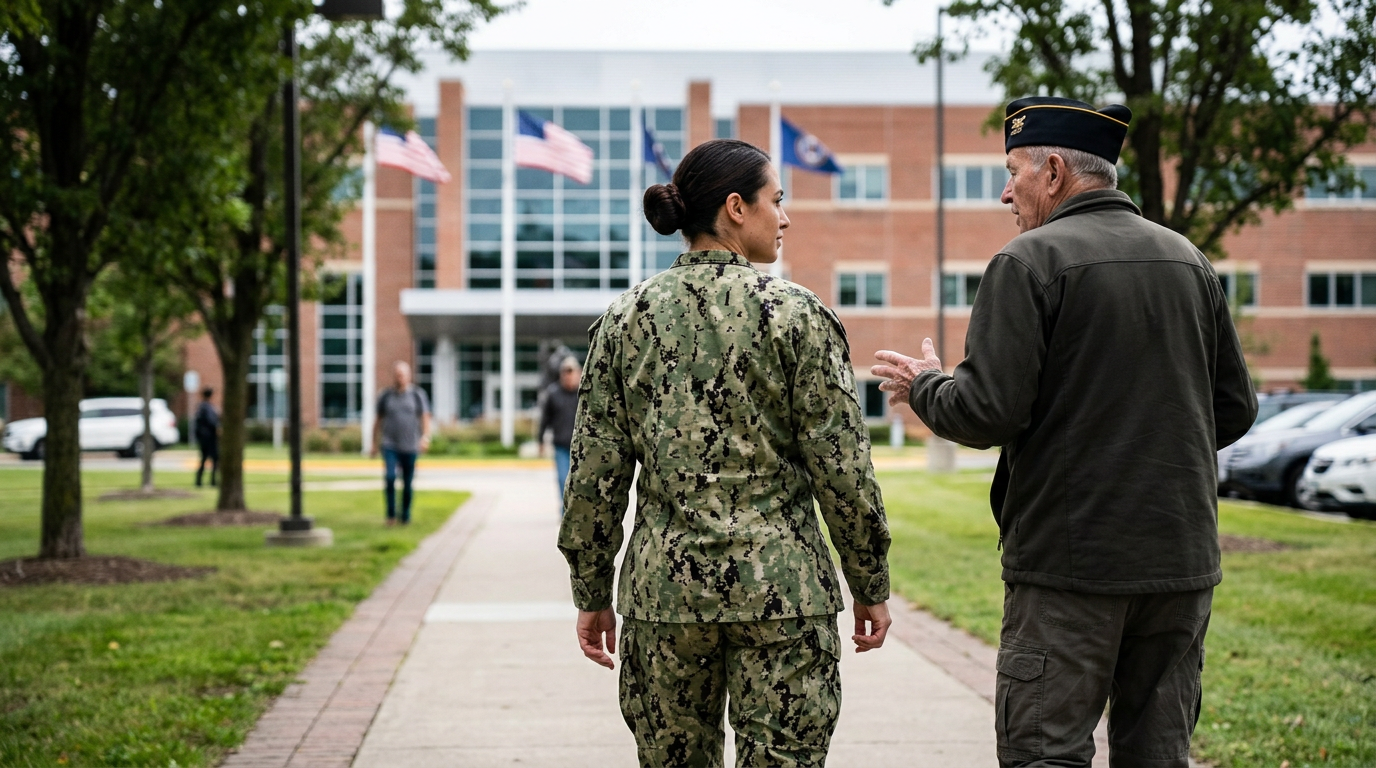
Executive Summary
The Department of Veterans Affairs (VA) and the United States Navy have strengthened their collaborative training initiatives, according to a report by VA News. This program integrates Navy nursing personnel into VA medical facilities to bridge the gap between active-duty military medicine and veteran-specific healthcare delivery. By embedding active-duty Navy nurses within the VA system, the program seeks to foster a deeper understanding of the unique clinical and psychological needs of veterans, ensuring that military medical professionals are better equipped to serve this population throughout their service lifecycle and beyond.
These joint training exercises, which emphasize experiencing the healthcare journey from the veteran's perspective, allow Navy nurses to engage directly with patient demographics they might not typically encounter in standard active-duty military treatment facilities. While military hospitals primarily serve active-duty personnel and their dependents, VA medical centers focus heavily on chronic disease management, geriatric care, toxic exposure treatments, and long-term rehabilitation for those who have completed their service. The VA News report indicates that this exposure provides Navy nurses with vital clinical experience in handling complex, multi-system health conditions and specialized long-term care needs.
The strategic alignment between the Department of Defense and the Department of Veterans Affairs represents a broader effort to optimize federal healthcare resources and improve care continuity. By training in VA environments, Navy nurses not only enhance their own clinical competencies but also facilitate smoother transitions for service members moving from active-duty status to civilian veteran status. The exchange of best practices between military and civilian-style veteran healthcare providers strengthens the overall federal medical infrastructure, ensuring both operational readiness for active-duty missions and high-quality care for the nation's retired military personnel.
This collaborative approach also addresses systemic challenges in veteran healthcare transition, which is often a critical friction point for separating service members. When active-duty medical staff understand the VA system's structure, specialized programs, and clinical protocols, they can better advocate for and guide transitioning patients. Additionally, the mutual sharing of clinical knowledge helps both institutions refine their evidence-based practices, particularly in specialized fields such as pain management, mental health integration, and prosthetic rehabilitation.
For the leaders, entrepreneurs, and veterans within the Valor & Ventures Media community, this partnership underscores the critical role of cross-organizational collaboration in solving complex institutional challenges. The initiative serves as a model for how distinct federal entities can align their resources to improve operational readiness and service delivery. Furthermore, it highlights the ongoing national commitment to supporting veterans, demonstrating that investments in healthcare training and transitional care remain top priorities for both defense and civic leadership.
This Executive Summary is an original synthesis by Valor & Ventures Media editors based on public reporting by Google News — Veterans. For the complete original article, please visit the source.
---
Google News — Veterans
Reporting and photography credited as noted above. Originally published by Google News — Veterans. The hero image on this page is an AI-generated illustration created by Valor & Ventures Media — not a photograph from the source publication.
Checking your membership…