Why China Is Defiant Even as US Threatens Iran Sanctions
China has thrown Tehran an economic lifeline as its biggest buyer of oil, and Xi appears in no rush to help Trump end a conflict that's pulling US resources from Asia. Bloomberg's Jill Disis breaks down the news. (Source: Bloomberg)
Executive Summary
Bloomberg reports that China continues to act as a crucial economic partner for Iran, resisting pressure from the United States despite looming threats of new American sanctions. According to a report by Bloomberg's Jill Disis, Beijing has established itself as the primary purchaser of Iranian oil, effectively providing a financial lifeline to Tehran amidst escalating regional tensions. This defiant stance highlights the growing friction between Washington and Beijing, as Chinese leadership shows little inclination to assist the U.S. administration in resolving the Middle Eastern conflict.
The economic relationship centered on energy transactions remains a cornerstone of Tehran's financial survival under intense international scrutiny. By maintaining its position as the top buyer of Iranian crude oil, Beijing directly mitigates the impact of Washington's punitive economic measures. The report indicates that this persistent purchasing behavior undermines the overall efficacy of U.S. sanctions, which are designed to isolate Iran from global financial markets. For China, securing a steady energy supply is coupled with the strategic benefit of reinforcing its geopolitical posture, presenting a direct challenge to American economic pressure campaigns.
Beyond immediate energy security, Beijing's reluctance to cooperate carries significant strategic advantages in the global arena. Chinese President Xi Jinping appears to see no urgent need to assist U.S. President Donald Trump in bringing an end to the ongoing hostilities. According to the Bloomberg analysis, the current conflict serves a strategic purpose for China by diverting vital American resources away from the Asian theater. As long as Washington remains focused on managing Middle Eastern instability, its capacity to counter Chinese influence in its own home region remains constrained.
For executives, business founders, and civic-minded leaders, this ongoing strategic competition underscores the complex realities of modern global trade and international relations. The intersection of global energy markets, unilateral sanctions, and superpower rivalry has direct implications for international commerce, supply chain management, and corporate risk assessment. Observing how regional conflicts are leveraged to shift geopolitical balances helps leadership-oriented observers anticipate broader shifts in international policy, trade regulations, and strategic security commitments that could impact global operations and long-term business planning.
This Executive Summary is an original synthesis by Valor & Ventures Media editors based on public reporting by Bloomberg. For the complete original article, please visit the source.
China has thrown Tehran an economic lifeline as its biggest buyer of oil, and Xi appears in no rush to help Trump end a conflict that's pulling US resources from Asia. Bloomberg's Jill Disis breaks down the news. (Source: Bloomberg)
---
Bloomberg
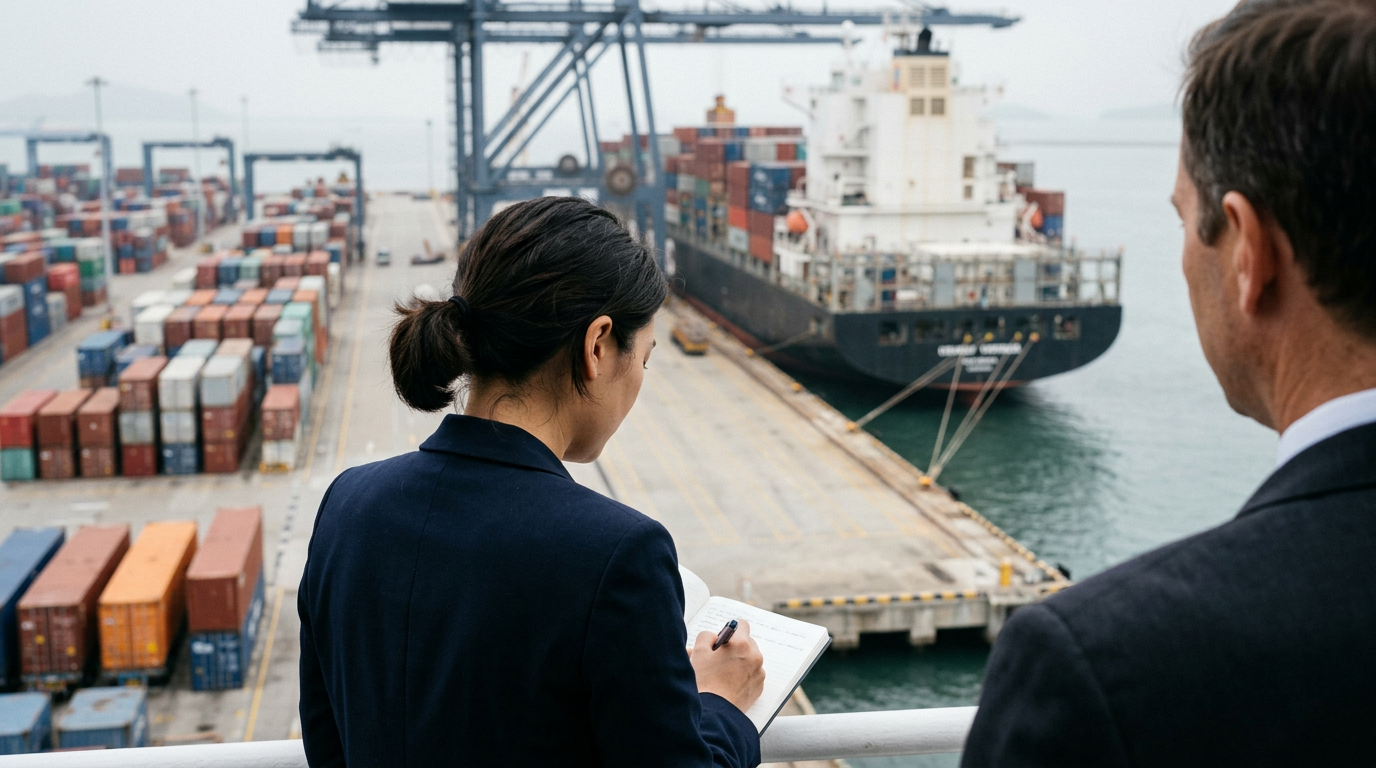
Reporting and photography credited as noted above. Originally published by Bloomberg. The hero image on this page is an AI-generated illustration created by Valor & Ventures Media — not a photograph from the source publication.
Checking your membership…