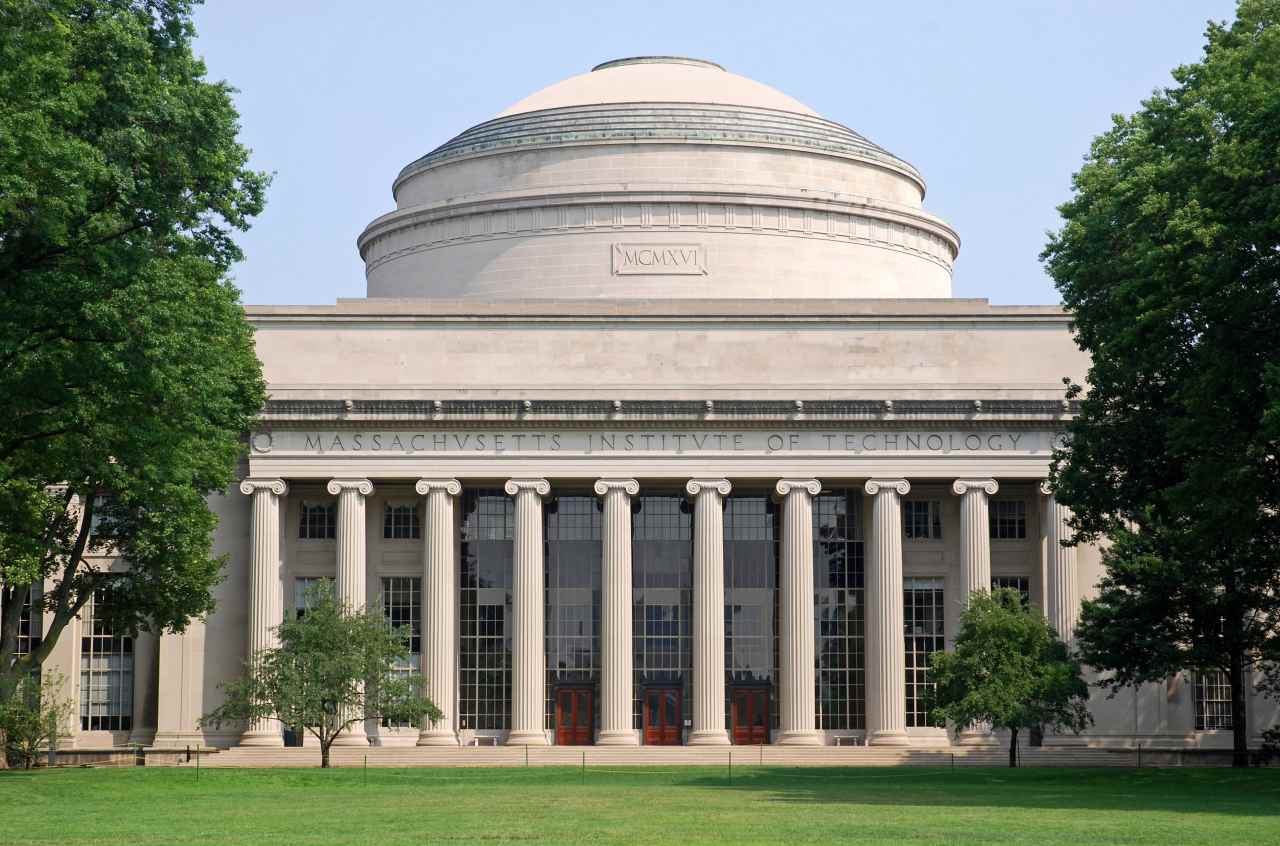
Princeton’s 15-year run as the nation’s top college is over. MIT is now No. 1.
A change in methodology in the U.S. News rankings helped boost schools where students have high earnings
Rights: fair use excerpt
Executive Summary
A major shift has occurred at the summit of the American higher education landscape, according to a report by Jillian Berman of MarketWatch. For the first time in fifteen years, Princeton University has ceded its position as the nation's top-ranked college. In a notable transition, the Massachusetts Institute of Technology (MIT) has claimed the number-one spot. This changing of the guard marks the end of an era for Princeton and signals a broader realignment in how the country's most prestigious academic institutions are evaluated and compared.
The catalyst behind this disruption is a fundamental change in the methodology utilized by U.S. News & World Report for its annual rankings. The outlet reports that the publication updated its scoring system to place a greater emphasis on the post-graduation financial success of students. By adjusting the formula to give more weight to institutions whose alumni go on to secure high earnings, the new ranking system inherently favors universities that produce graduates with strong career trajectories and lucrative starting salaries, directly paving the way for MIT's rise to the top.
This methodological evolution reflects a growing national focus on the tangible return on investment associated with higher education. According to the MarketWatch coverage, the shift toward measuring graduate earnings represents a departure from more traditional, subjective measures of academic prestige. By prioritizing economic outcomes, the new ranking structure aims to provide a clearer picture of how effectively institutions prepare their student bodies for the modern workforce, particularly in high-demand, high-paying sectors that traditionally recruit heavily from technical and scientific universities.
For the executives, founders, and civic-minded leaders who make up the Valor & Ventures Media audience, this shift in college rankings carries significant implications for talent acquisition and workforce planning. As elite institutions are increasingly judged by the economic viability and earning power of their alumni, corporate decision-makers may want to pay close attention to how these academic shifts influence career pipelines. This transition underscores the growing value of practical, high-impact educational backgrounds in a competitive business environment, helping leaders better align their recruitment strategies with institutions that demonstrate proven track records of student professional success.
This Executive Summary is an original synthesis by Valor & Ventures Media editors based on public reporting by MarketWatch. For the complete original article, please visit the source.
A change in methodology in the U.S. News rankings helped boost schools where students have high earnings
---
Jillian Berman · MarketWatch · Photo: Getty Images
Reporting and photography credited as noted above. Originally published by MarketWatch.
Checking your membership…