UN report says drug boat strikes are war crimes. What does that mean for US troops?
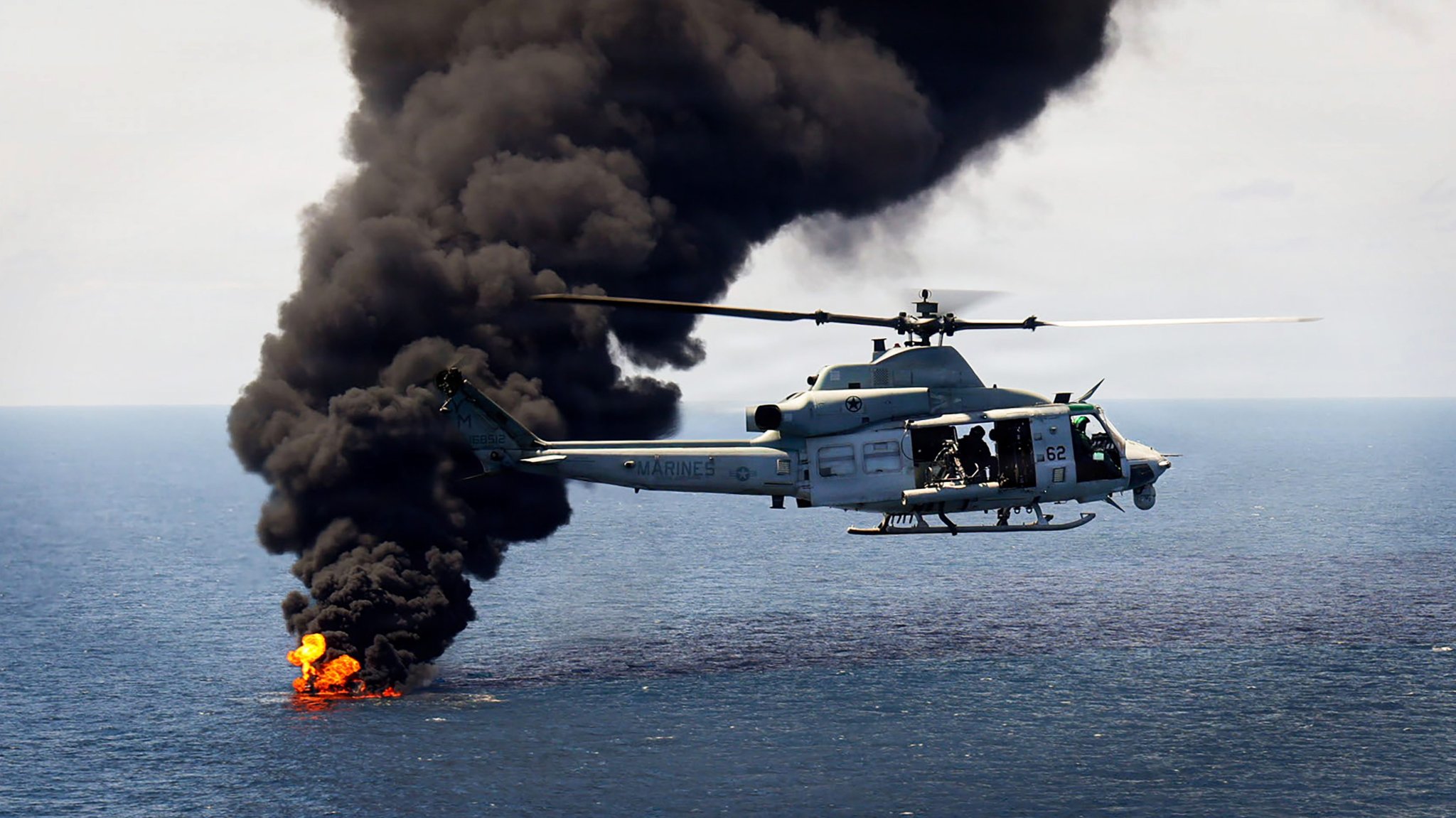
“That door gunner may [...] know barely anything about what's going on,” one Air Force special operations veteran said. “They know they're going after some kind of drug traffickers, and that's it.”
Rights: fair use excerpt
Executive Summary
According to an analysis by the military news outlet Task & Purpose, a recent United Nations assessment suggesting that armed strikes on narcotics-smuggling vessels may constitute war crimes has sparked critical questions regarding the legal liabilities of American service members. Written by journalist Austin Campbell, the report examines the potential legal ramifications for military personnel who execute tactical orders during maritime interdiction operations. This intersection of international humanitarian law, maritime sovereignty, and counter-narcotics enforcement in international waters presents a highly complex challenge for defense planners, legal advisors, and active-duty personnel alike.
At the heart of the debate is the limited situational awareness possessed by tactical service members during high-stress missions. The outlet highlights testimony from a former special operations airman, who pointed out that tactical operators, such as helicopter crew members, typically perform their duties with very restricted information. According to this veteran, a crew member might "know barely anything" about the broader situation during an intercept, understanding only that they are pursuing suspected smugglers. This disconnect between high-level command intelligence and rapid tactical execution raises significant questions about individual criminal liability under international law.
The international body's characterization of these maritime interdictions as potential war crimes challenges long-standing operational guidelines utilized in global counter-narcotics campaigns. Historically, military assets have been deployed to support maritime security, occasionally using disabling fire to halt fast-moving vessels suspected of transporting illicit substances. However, if global authorities increasingly view these tactical actions through the strict lens of armed conflict regulations rather than standard domestic law enforcement protocols, the legal protections for individual service members could shift dramatically. This legal evolution forces a comprehensive reevaluation of how operational orders are formulated, transmitted, and validated before force is applied against civilian vessels in international waters.
For the corporate, military, and civic leaders within the Valor & Ventures Media audience, this development underscores the escalating complexity of international operational law and its direct impact on frontline personnel. Organizational leaders and defense executives must navigate increasingly ambiguous legal environments where tactical decisions can carry severe global consequences. Ensuring that personnel are both legally protected and adequately informed during interdiction missions is paramount. As international legal oversight intensifies, establishing clear, resilient frameworks for maritime security operations remains a critical priority for policymakers charged with safeguarding both national security and the service members who enforce it.
This Executive Summary is an original synthesis by Valor & Ventures Media editors based on public reporting by Task & Purpose. For the complete original article, please visit the source.
“That door gunner may [...] know barely anything about what's going on,” one Air Force special operations veteran said. “They know they're going after some kind of drug traffickers, and that's it.”
---
Austin Campbell · Task & Purpose
Reporting and photography credited as noted above. Originally published by Task & Purpose.
Checking your membership…