WHO warns of ‘devastating consequences’ due to delayed aid entry into Gaza
The WHO's representative in Palestine calls on Israeli authorities to 'release the pressure on medical supplies'.
Rights: fair use excerpt
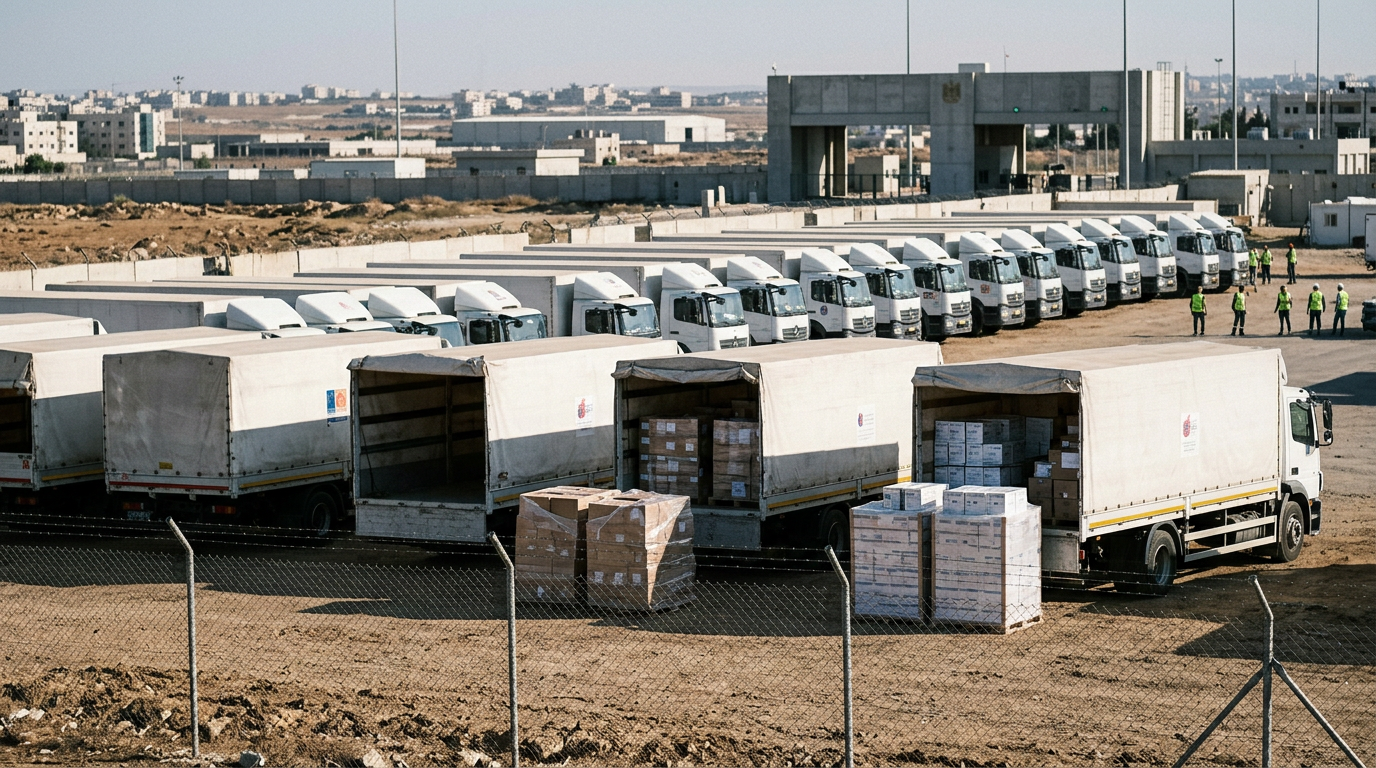
Executive Summary
The World Health Organization’s envoy to the Palestinian territories has issued an urgent warning regarding the critical bottlenecks hindering humanitarian access to the Gaza Strip. According to a report by Al Jazeera, the global health agency cautioned that prolonged disruptions in the delivery of essential health provisions could yield catastrophic outcomes for the local population. The representative specifically appealed to Israeli officials to ease current constraints and allow vital resources to flow more freely into the blockaded enclave.
The plea highlights the growing friction between international humanitarian bodies and regional authorities overseeing border checkpoints. In times of severe geopolitical instability, the management of logistics corridors becomes a highly contested operational challenge. The global health body's intervention emphasizes how administrative delays and security screenings can severely impact the operational readiness of local medical facilities. By calling for a reduction in the regulatory and physical barriers holding back shipments, the envoy underscored the fragile state of healthcare delivery under protracted pressure.
This development illustrates the delicate diplomatic balancing act performed by multilateral institutions during active crises. Agencies like the United Nations and its health-focused branches must negotiate directly with sovereign governments to secure safe passage for life-saving cargo. When quiet diplomacy yields limited results, public declarations are often utilized as a strategic tool to mobilize international attention and build consensus among global stakeholders. The current situation reflects a broader operational friction where health security is deeply intertwined with territorial control and security protocols.
The bottlenecks also highlight the systemic vulnerabilities inherent in centralized supply chains during humanitarian emergencies. When critical medical resources are concentrated at a limited number of transit points, any delay can ripple through the entire healthcare network, compounding existing shortages of pharmaceuticals, surgical equipment, and basic care supplies. This reliance on singular access routes creates a fragile environment where administrative bottlenecks quickly escalate into severe public health crises, demanding sophisticated coordination between non-governmental organizations and state actors.
For executives, veterans, and civic-minded leaders, this standoff offers critical insights into the vulnerabilities of humanitarian supply chains and crisis management in contested environments. Navigating complex regulatory landscapes and managing risk during cross-border operations are central challenges for organizations engaged in global relief or operating near conflict zones. The situation underscores the necessity of establishing resilient crisis-management frameworks and maintaining open channels of communication between governing authorities and international observers to prevent systemic breakdowns in basic public services.
This Executive Summary is an original synthesis by Valor & Ventures Media editors based on public reporting by Al Jazeera. For the complete original article, please visit the source.
The WHO's representative in Palestine calls on Israeli authorities to 'release the pressure on medical supplies'.
---
Al Jazeera
Reporting and photography credited as noted above. Originally published by Al Jazeera. The hero image on this page is an AI-generated illustration created by Valor & Ventures Media — not a photograph from the source publication.
Checking your membership…