Fed rate hike cycles have a history of denting US stock prices - Reuters
Fed rate hike cycles have a history of denting US stock prices Reuters
Rights: fair use excerpt
Executive Summary
According to a report by Reuters, historical market data demonstrates a clear and consistent correlation between Federal Reserve tightening cycles and declining U.S. stock prices. The outlet emphasizes that periods of central bank tightening have historically exerted significant downward pressure on major equity markets, challenging the momentum of bull markets. This recurring pattern of market contraction during rate-hiking phases serves as an important historical reference point for modern investors and corporate leaders trying to navigate shifting economic landscapes.
The fundamental relationship between central bank policy and equity performance is a cornerstone of financial market analysis. When the Federal Reserve acts to increase interest rates, the cost of borrowing rises for both corporations and consumers, which typically leads to a broader deceleration in economic activity. For stock markets, higher benchmark rates mean that future corporate earnings and cash flows are discounted at a higher rate, which naturally depresses current stock valuations. Consequently, historical periods of monetary tightening have almost always been characterized by heightened market volatility and a strategic reallocation of capital away from equities and into lower-risk, yield-bearing assets.
Additionally, transitioning from a prolonged environment of low interest rates to a tighter monetary stance can expose structural vulnerabilities within the corporate sector. Firms that rely heavily on cheap debt financing to fund operations, acquisitions, or share buybacks often experience compressed profit margins as their refinancing costs begin to escalate. These microeconomic pressures, when aggregated across various industries, have historically contributed to the broad-based downward trends in major stock indexes that Reuters associates with past Federal Reserve rate-hiking campaigns.
While every historical cycle occurs under a unique set of macroeconomic circumstances and inflationary drivers, the underlying trend of equity market vulnerability during these tightening phases remains a remarkably consistent theme. Analyzing these past market behaviors helps clarify how monetary policy decisions influence investor sentiment, risk appetite, and asset pricing models. Observing these historical precedents allows market participants to better understand the potential trajectory of equity markets when the central bank actively pursues a restrictive policy path.
For business executives, founders, and veteran leaders, this historical correlation underscores the critical necessity of maintaining robust, resilient financial strategies during periods of monetary contraction. When rising interest rates threaten to dent stock prices and increase the overall cost of capital, organizations must prioritize operational efficiency, prudent debt management, and cash flow preservation over speculative expansion. By understanding how historical central bank actions have impacted equity valuations, leadership can make highly informed, proactive decisions to protect their enterprises from market volatility and position them for sustainable, long-term stability.
This Executive Summary is an original synthesis by Valor & Ventures Media editors based on public reporting by Reuters Markets. For the complete original article, please visit the source.
Fed rate hike cycles have a history of denting US stock prices Reuters
---
Reuters Markets
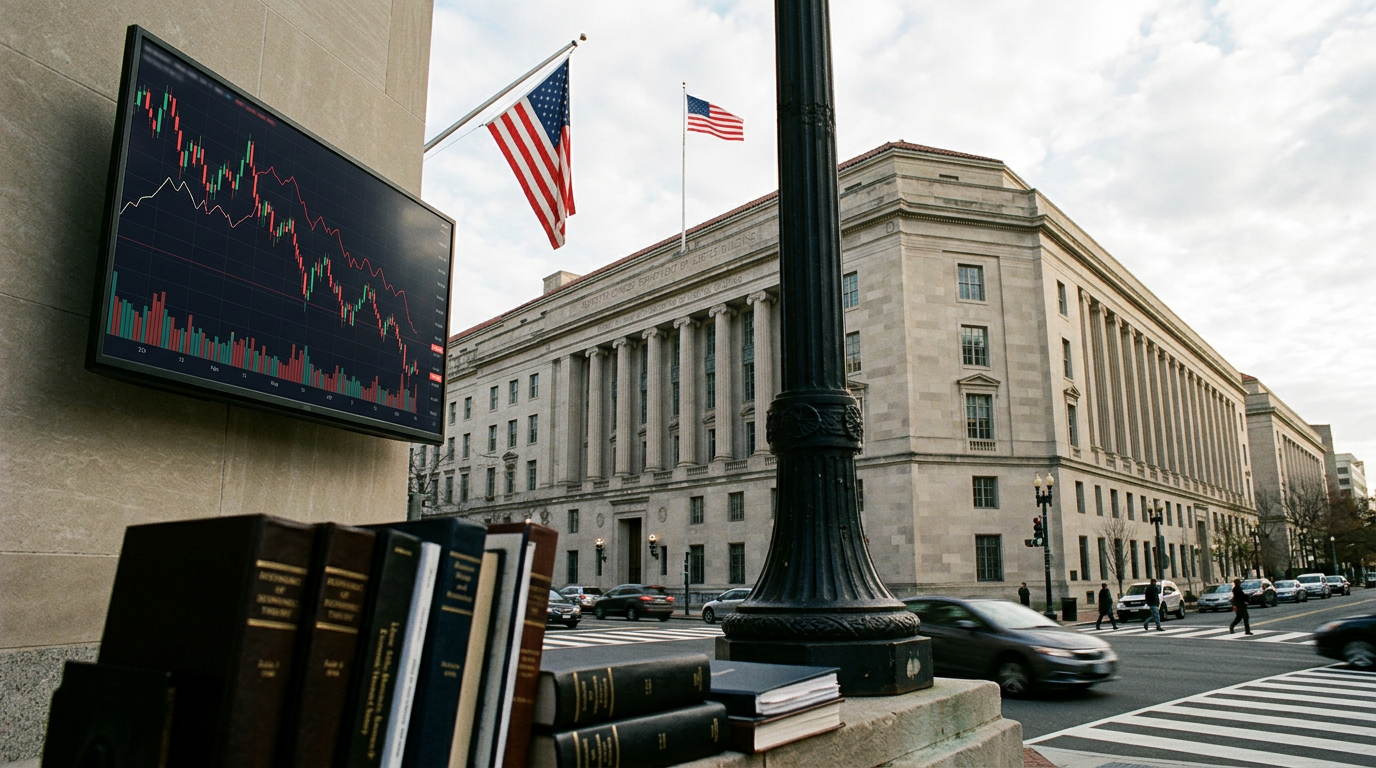
Reporting and photography credited as noted above. Originally published by Reuters Markets. The hero image on this page is an AI-generated illustration created by Valor & Ventures Media — not a photograph from the source publication.
Checking your membership…