Pakistan's GasPort on LNG Outlook Amid Hormuz Closure
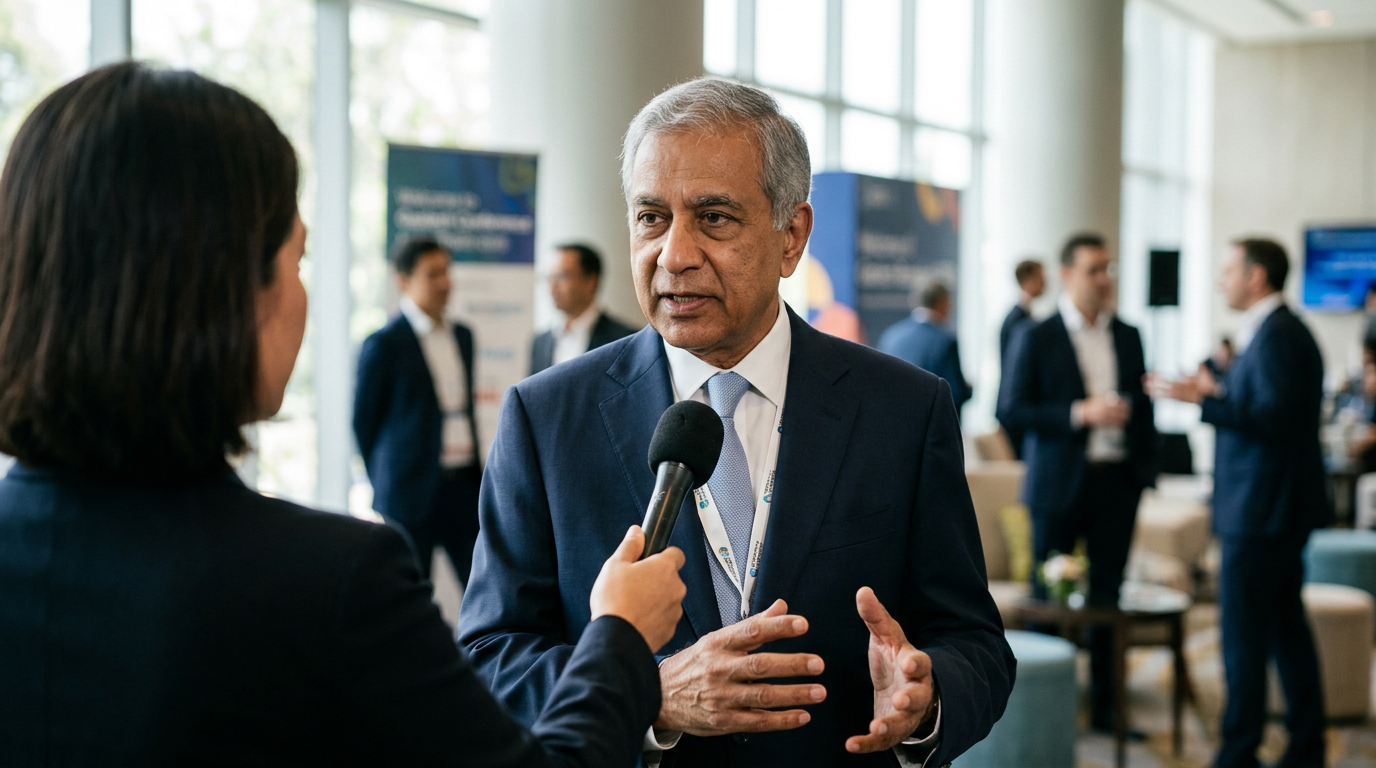
Pakistan GasPort Chairman Iqbal Z. Ahmed highlights how the closure of the Strait of Hormuz has disrupted LNG supply chains, reshaping Pakistan’s demand outlook. He speaks with Haslinda Amin from the sidelines of 'Gastech Bangkok 2026'. (Source: Bloomberg)
Executive Summary
Pakistan's domestic energy framework is undergoing a major transition due to recent supply disruptions in the Strait of Hormuz, according to remarks from Iqbal Z. Ahmed, the chairman of Pakistan GasPort. Speaking to Bloomberg's Haslinda Amin during the Gastech Bangkok 2026 conference, Ahmed explained how the sudden closure of this vital maritime pathway has severely impacted liquefied natural gas (LNG) supply chains. This geopolitical bottleneck has ultimately altered the South Asian nation's domestic energy demand and purchasing strategies, highlighting how vulnerable emerging markets are to international maritime disruptions.
The Hormuz strait is recognized as one of the world's most critical maritime chokepoints, particularly for global oil and gas distribution. According to the Bloomberg interview, the blockade of this shipping channel has forced global energy markets to rapidly adapt. For Pakistan, which depends heavily on imported super-chilled gas to fuel its power plants and power its manufacturing sector, the transit stoppage translates directly into supply deficits and escalating procurement costs. Ahmed noted that this situation has compelled a comprehensive reevaluation of the nation's energy planning.
The shift in Pakistan's demand outlook illustrates a broader, systemic issue facing nations that rely on highly concentrated maritime shipping lanes. When key transit corridors are blocked, importing nations are left with few immediate alternatives, often forcing them to buy expensive spot-market shipments or scale back industrial production. The insights shared by Ahmed at Gastech Bangkok 2026 underscore the structural fragility inherent in modern supply chains, where a single localized conflict or political standoff can disrupt energy security thousands of miles away.
As the crisis continues, Pakistan's response may signal how other developing economies will handle future energy supply shocks. The regional fallout emphasizes the need for increased infrastructure resilience and the development of alternative transit routes. Rather than relying solely on traditional long-term contracts that depend on vulnerable waterways, energy planners in the region are likely to prioritize supply diversification and localized storage capacity to buffer against sudden geopolitical shocks.
For the business executives, veterans, and civic leaders in the Valor & Ventures Media audience, this situation serves as a stark case study in geopolitical risk management. The disruption in the Strait of Hormuz demonstrates how physical security threats in distant corridors can rapidly translate into boardroom challenges, affecting everything from operational costs to strategic planning. Navigating this landscape requires corporate and civic leaders to maintain highly adaptable supply chains and to treat global geopolitical stability not as an abstract concern, but as a core variable in business continuity.
This Executive Summary is an original synthesis by Valor & Ventures Media editors based on public reporting by Bloomberg. For the complete original article, please visit the source.
Pakistan GasPort Chairman Iqbal Z. Ahmed highlights how the closure of the Strait of Hormuz has disrupted LNG supply chains, reshaping Pakistan’s demand outlook. He speaks with Haslinda Amin from the sidelines of 'Gastech Bangkok 2026'. (Source: Bloomberg)
---
Bloomberg
Reporting and photography credited as noted above. Originally published by Bloomberg. The hero image on this page is an AI-generated illustration created by Valor & Ventures Media — not a photograph from the source publication.
Checking your membership…