US military’s drug boat strikes have now killed at least 240 people
The attack was at least the third deadly strike carried out by U.S. Southern Command this month.
Rights: fair use excerpt
No AI assistance disclosed
Executive Summary
United States military operations directed against maritime narcotics trafficking vessels have now resulted in the deaths of at least 240 people, according to reporting from Task & Purpose. The milestone follows a recent lethal engagement conducted under the authority of U.S. Southern Command. The outlet reports that this incident represents at least the third fatal strike executed by the combatant command during the current month alone, underscoring an active and sustained operational tempo in international waters.
The casualty threshold highlights the increasingly kinetic dimensions of American maritime interdiction efforts in the Western Hemisphere. U.S. Southern Command, which oversees defense activities and security cooperation across Central America, South America, and surrounding maritime transit corridors, has routinely deployed assets to counter transnational smuggling networks. The latest strikes reflect a continued willingness to employ direct military force against suspected illicit vessels operating along vital maritime supply routes.
The accumulation of more than 240 fatalities associated with these interdictions raises ongoing questions regarding operational protocols, oversight, and maritime governance. While the Department of Defense regularly cooperates with domestic and international partners to stem illicit trade, the application of lethal force against smuggling craft sits at the intersection of conventional defense authority and maritime law enforcement. Defense analysts frequently examine how rules of engagement are applied in these scenarios, particularly concerning identification procedures, escalation-of-force measures, and post-action assessments.
From an institutional perspective, the recurrent execution of lethal strikes places renewed emphasis on transparency and strategic accountability within regional commands. Conducting high-stakes interdictions requires strict adherence to legal frameworks that balance national security objectives with international maritime standards. As military planners navigate the complexities of combating non-state networks, the operational decisions made at sea carry significant diplomatic and reputational implications for American forces operating in sovereign or shared waters.
For veterans, business executives, and civic leaders, the persistence of lethal counter-drug strikes illustrates the expanding mandate of military assets in non-traditional mission environments. The utilization of defense capabilities to address supply-chain disruption and illicit trade corridors demonstrates how modern security challenges routinely blur the boundaries between national defense and civilian enforcement. Observing how regional commanders manage these complex, high-risk operations provides critical perspective on civil-military relations, strategic discipline, and the stewardship of American authority across the hemisphere.
This Executive Summary is an original synthesis by Valor & Ventures Media editors based on public reporting by Task & Purpose. For the complete original article, please visit the source.
The attack was at least the third deadly strike carried out by U.S. Southern Command this month.
— Task & Purpose
Read the full report: https://taskandpurpose.com/news/military-drug-boat-240-killed/
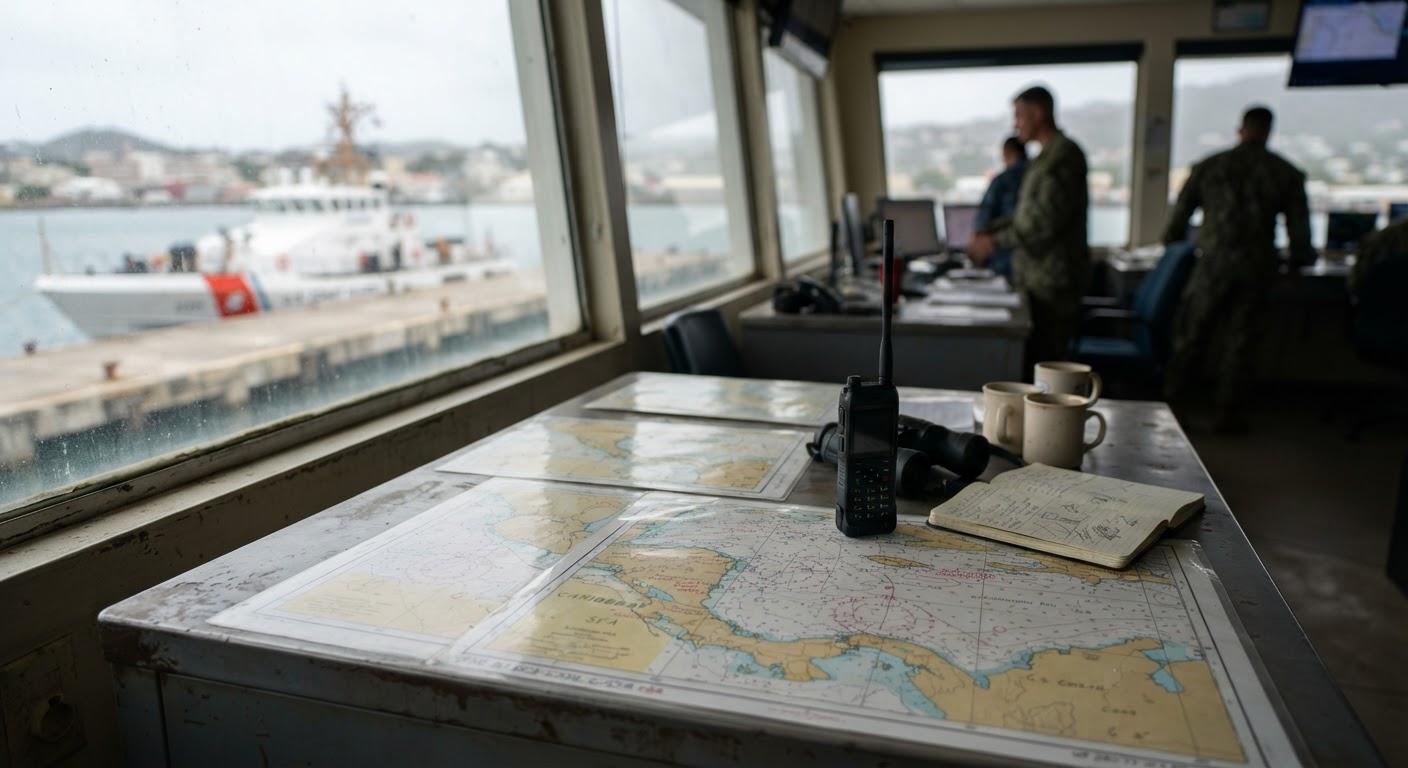
Reporting and photography credited as noted above. Originally published by Task & Purpose. The hero image on this page is an AI-generated illustration created by Valor & Ventures Media — not a photograph from the source publication.
Checking your membership…