Marissa Mayer Just Proved the AI Fatigue Backlash Is Real. Here’s What It Means for Your Brand
The backlash wasn’t about whether the AI worked; it’s a signal that the market’s appetite for automating everything human just ran out.
Rights: fair use excerpt
No AI assistance disclosed
Executive Summary
A recent report by Inc. points to a pronounced inflection point in the adoption of emerging enterprise technology, arguing that recent pushback surrounding tech executive Marissa Mayer demonstrates that market fatigue toward artificial intelligence has become a tangible operational reality. The outlet frames this moment as a clear turning point for commercial technology, noting that public resistance to automated systems is no longer an abstract concern but an active market dynamic facing prominent industry figures and broader commercial brands alike.
According to the publication, the nature of this backlash provides critical insight into evolving consumer expectations. Inc. reports that public dissatisfaction did not originate from operational failures or whether the underlying artificial intelligence mechanisms functioned properly. Rather, the controversy serves as an unambiguous signal that market tolerance for mechanizing traditionally human domains has begun to exhaust itself. In this view, customer resistance is driven by an overextension of algorithmic intervention into spaces where users still demand personal attention and genuine human interaction.
This distinction carries substantial strategic consequences for commercial enterprises seeking to leverage automated software. The report suggests that the prevailing corporate assumption—that greater operational efficiency and algorithmic scale will automatically yield customer satisfaction—is encountering diminishing returns. When organizations prioritize the automation of every customer-facing function or interpersonal touchpoint, they risk triggering brand fatigue and undermining stakeholder goodwill, irrespective of how sophisticated the deployed tools might be.
As commercial entities evaluate their technological roadmaps, Inc. suggests that brands must reexamine where automated capabilities genuinely enhance the user experience versus where they alienate audiences. The rush to replace human labor and dialogue with automated interfaces has reached a stage where discernment matters far more than novelty. Companies that misjudge this sentiment risk brand erosion, while organizations that balance technological utility with personal engagement are better positioned to retain customer trust.
For founders, executives, veterans, and civic-minded leaders, these observations underscore the enduring importance of intentional technology governance. Operational efficiency cannot serve as a blanket substitute for authentic stewardship and interpersonal accountability. Navigating the current technological landscape requires leaders to recognize the limits of machine mediation and safeguard the human touchpoints that anchor organizational credibility, stakeholder confidence, and long-term institutional resilience.
This Executive Summary is an original synthesis by Valor & Ventures Media editors based on public reporting by Inc.. For the complete original article, please visit the source.
The backlash wasn’t about whether the AI worked; it’s a signal that the market’s appetite for automating everything human just ran out.
— Inc.
Read the full report: https://www.inc.com/michael-tasner/marissa-mayer-just-proved-the-ai-fatigue-backlash-is-real-heres-what-it-means-for-your-brand/91426072
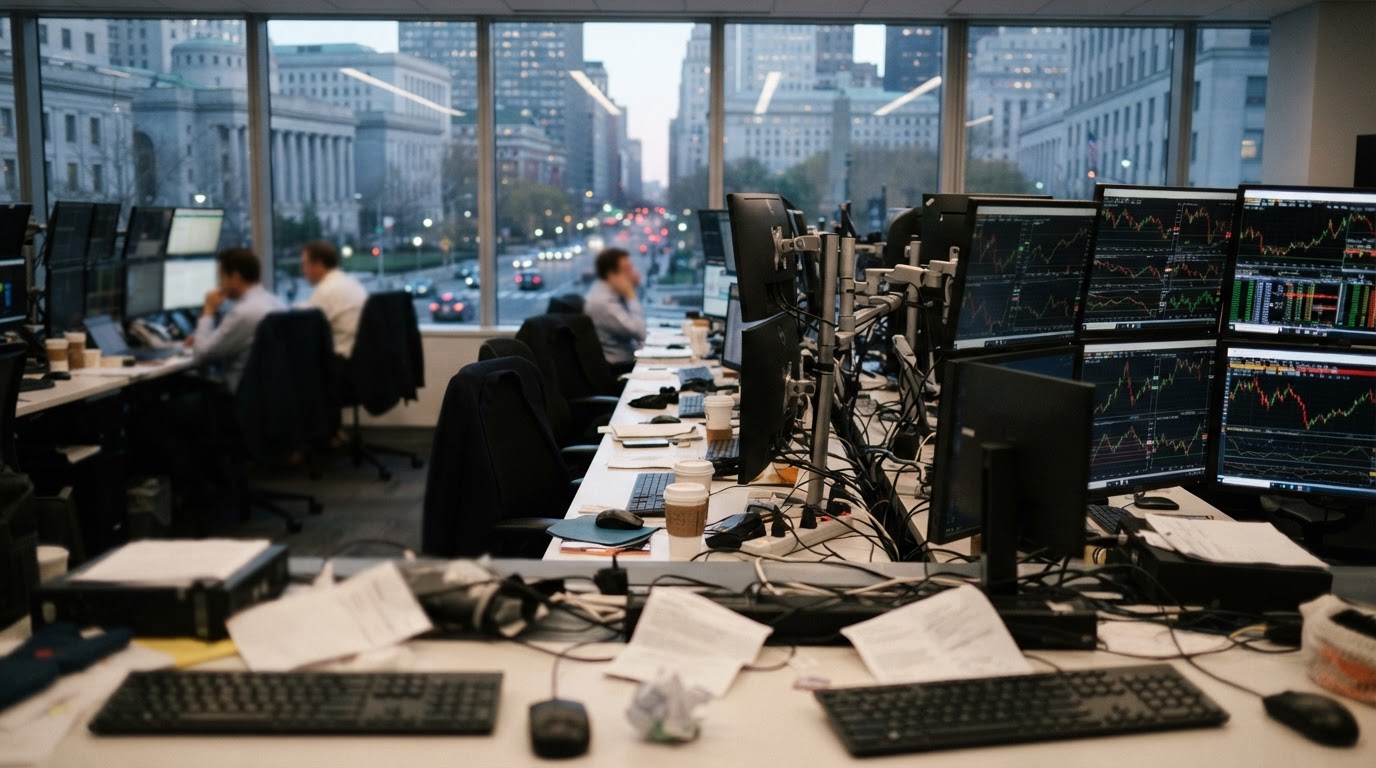
Reporting and photography credited as noted above. Originally published by Inc.. The hero image on this page is an AI-generated illustration created by Valor & Ventures Media — not a photograph from the source publication.
Checking your membership…