Iraq Shifts Oil Strategy by Arranging Tanker to Move Past Hormuz
Iraq’s state tanker company arranged a very large crude carrier to transport 2 million barrels beyond the Strait of Hormuz, marking a move toward offering oil outside the Persian Gulf.
Rights: fair use excerpt
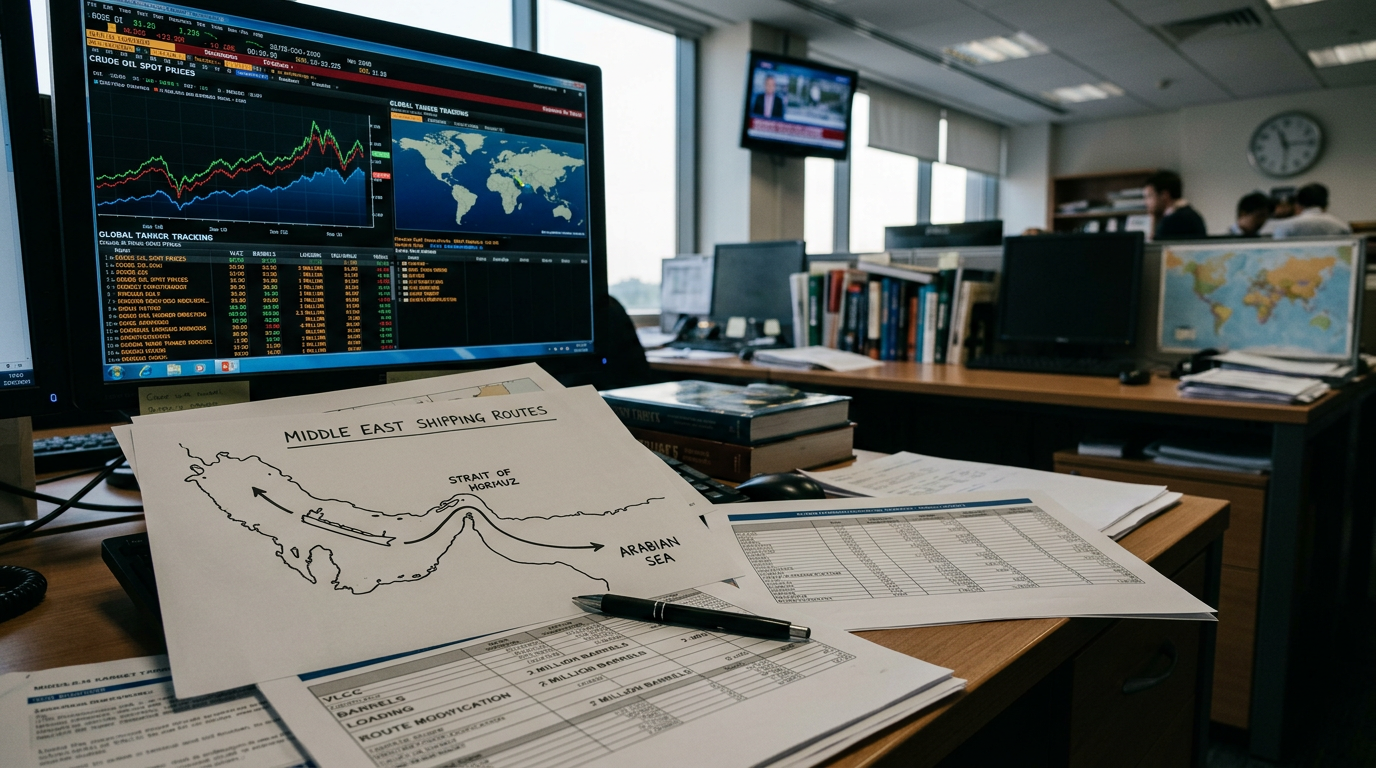
Executive Summary
In a notable adjustment to its maritime logistics strategy, the state-run shipping enterprise of Iraq has coordinated the deployment of an immense petroleum vessel to transport two million barrels of crude past the critical shipping chokepoint of the Hormuz waterway. According to a report from Bloomberg, this operational shift represents a deliberate effort by the Middle Eastern country to market and supply its fossil fuels beyond the confines of the immediate gulf zone. By initiating this voyage, the national maritime firm is establishing a precedent for delivering energy assets directly to broader international waters before final transaction or discharge.
The utilization of a massive transport vessel, often designated in the shipping industry as a giant tanker capable of holding substantial bulk cargoes, highlights the scale of this new logistical undertaking. Traditionally, international buyers of Iraqi crude have had to manage the navigation of the narrow shipping lanes within the region to secure their energy supplies. By taking the initiative to move this substantial volume of two million barrels past the geographical bottleneck of the region, the state-owned enterprise is effectively absorbing a portion of the transit process, altering how its raw materials are distributed to global purchasing partners.
This tactical realignment reflects a broader objective to enhance the flexibility and resilience of the nation's energy export infrastructure. By offering crude oil outside the localized waters of the gulf, the national supplier can bypass some of the immediate maritime constraints and potential security concerns that historically affect shipping within the enclosed basin. This approach provides international buyers with a more accessible point of acquisition, potentially reducing their operational risks and shipping costs associated with entering the inner gulf territory to load crude.
For executives, energy market participants, and leaders focused on global logistics, this development highlights the evolving nature of maritime resource security and state-led commercial strategies. This adjustment demonstrates how major energy-producing nations are actively refining their transport methodologies to secure their market positions and mitigate supply-chain vulnerabilities. Observers of global trade and resource distribution will likely watch this trial closely to see if it becomes a permanent fixture of the region's export architecture, potentially altering regional shipping dynamics and commercial risk calculations for years to come.
This Executive Summary is an original synthesis by Valor & Ventures Media editors based on public reporting by Bloomberg. For the complete original article, please visit the source.
Iraq’s state tanker company arranged a very large crude carrier to transport 2 million barrels beyond the Strait of Hormuz, marking a move toward offering oil outside the Persian Gulf.
---
Salma El Wardany · Bloomberg
Reporting and photography credited as noted above. Originally published by Bloomberg. The hero image on this page is an AI-generated illustration created by Valor & Ventures Media — not a photograph from the source publication.
Checking your membership…