El Niño Could Push Up Food Prices in Southern Africa
Absa AgriBusiness agricultural economist Zama Sangweni says El Niño could reduce summer crop yields and put upward pressure on food prices. She explains how more severe weather could also reshape regional trade and why countries including Zambia may be especially exposed through agriculture, employment and hydropower. (Source: Bloomberg)
Rights: fair use excerpt
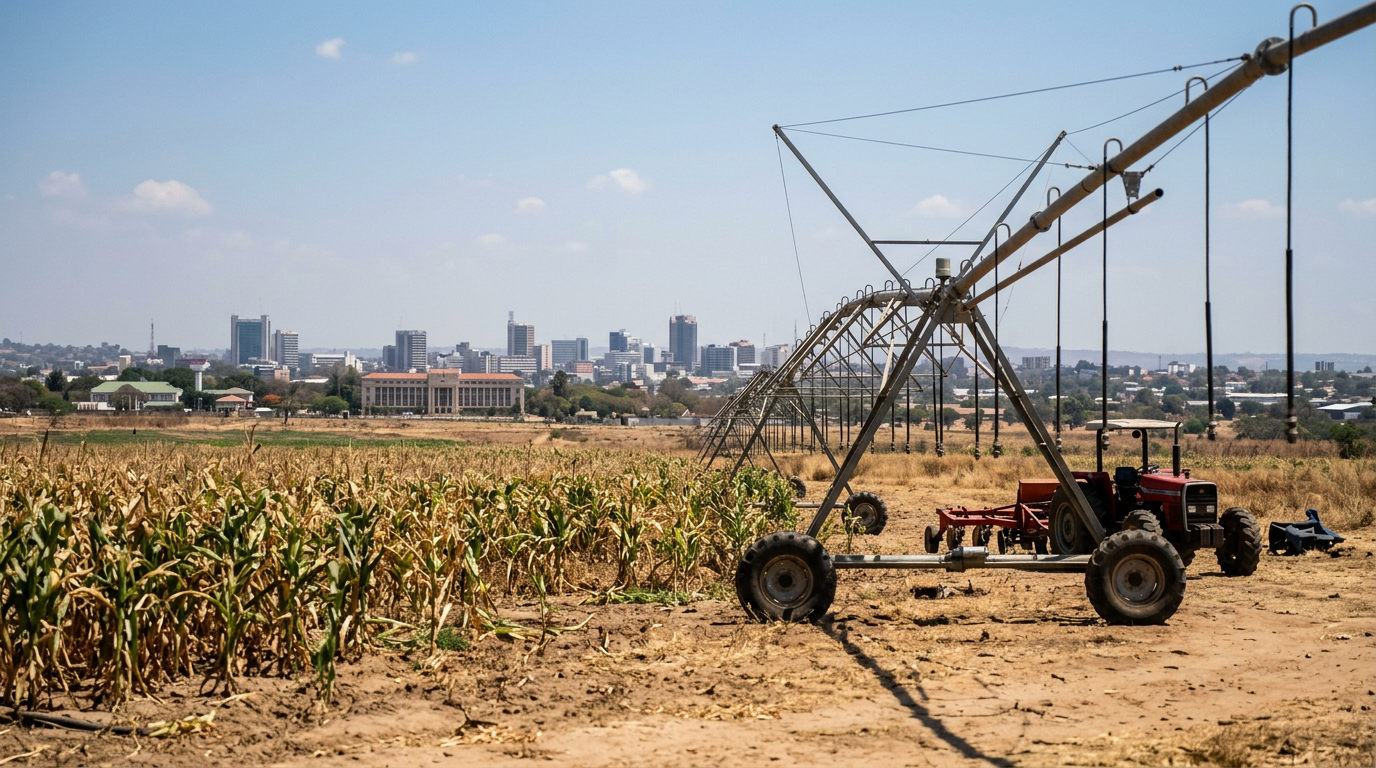
Executive Summary
Southern Africa is facing potential economic and agricultural disruptions due to the looming effects of the El Niño weather pattern, according to a recent report by Bloomberg. Zama Sangweni, an agricultural economist at Absa AgriBusiness, warns that this meteorological phenomenon could significantly depress summer crop yields across the territory. The anticipated drop in agricultural productivity threatens to trigger a chain reaction, ultimately driving up consumer food prices and complicating the regional economic outlook.
The mechanism behind these rising costs lies in the direct relationship between weather severity and agricultural output. As Sangweni explains, diminished summer yields constrain the local supply of essential food crops. When supply falls short of regional demand, upward pressure on prices becomes inevitable. This inflationary threat is particularly concerning for nations where food costs represent a significant portion of household expenditures, potentially straining local economies and reducing consumer purchasing power.
Beyond immediate localized price hikes, the environmental shift is projected to reshape regional trade relationships. According to the Bloomberg coverage, severe weather disruptions force nations to re-evaluate their import and export strategies to secure food supplies. Countries that typically export agricultural surpluses may find themselves needing to retain yields for domestic consumption, while net-importing nations may have to seek alternative, potentially more expensive trade partners outside the immediate region to meet their dietary requirements.
Among the nations in the region, Zambia is identified as being particularly vulnerable to these environmental shocks. The report highlights that Zambia’s exposure spans multiple critical sectors, including agriculture, employment, and energy. Because a large segment of the Zambian workforce relies on farming for their livelihood, crop failures directly jeopardize employment stability. Furthermore, the country's reliance on hydropower means that El Niño-induced dry spells could simultaneously threaten electricity generation, compounding agricultural challenges with energy shortages.
For the global business leaders, executives, and civic-minded readers of Valor & Ventures, this developing situation highlights the critical intersection of climate patterns and macroeconomic stability. Understanding how regional trade dynamics and critical infrastructure, such as hydropower and agricultural labor, react to environmental pressures is essential for managing global supply chain risks and assessing emerging market investments. Observing how Southern African nations navigate these compounding pressures offers valuable insights into institutional resilience and resource management in volatile environments.
This Executive Summary is an original synthesis by Valor & Ventures Media editors based on public reporting by Bloomberg. For the complete original article, please visit the source.
Absa AgriBusiness agricultural economist Zama Sangweni says El Niño could reduce summer crop yields and put upward pressure on food prices. She explains how more severe weather could also reshape regional trade and why countries including Zambia may be especially exposed through agriculture, employment and hydropower. (Source: Bloomberg)
---
Bloomberg
Reporting and photography credited as noted above. Originally published by Bloomberg. The hero image on this page is an AI-generated illustration created by Valor & Ventures Media — not a photograph from the source publication.
Checking your membership…