It was a blessing: How TeleSleep helped one Veteran Finally Rest
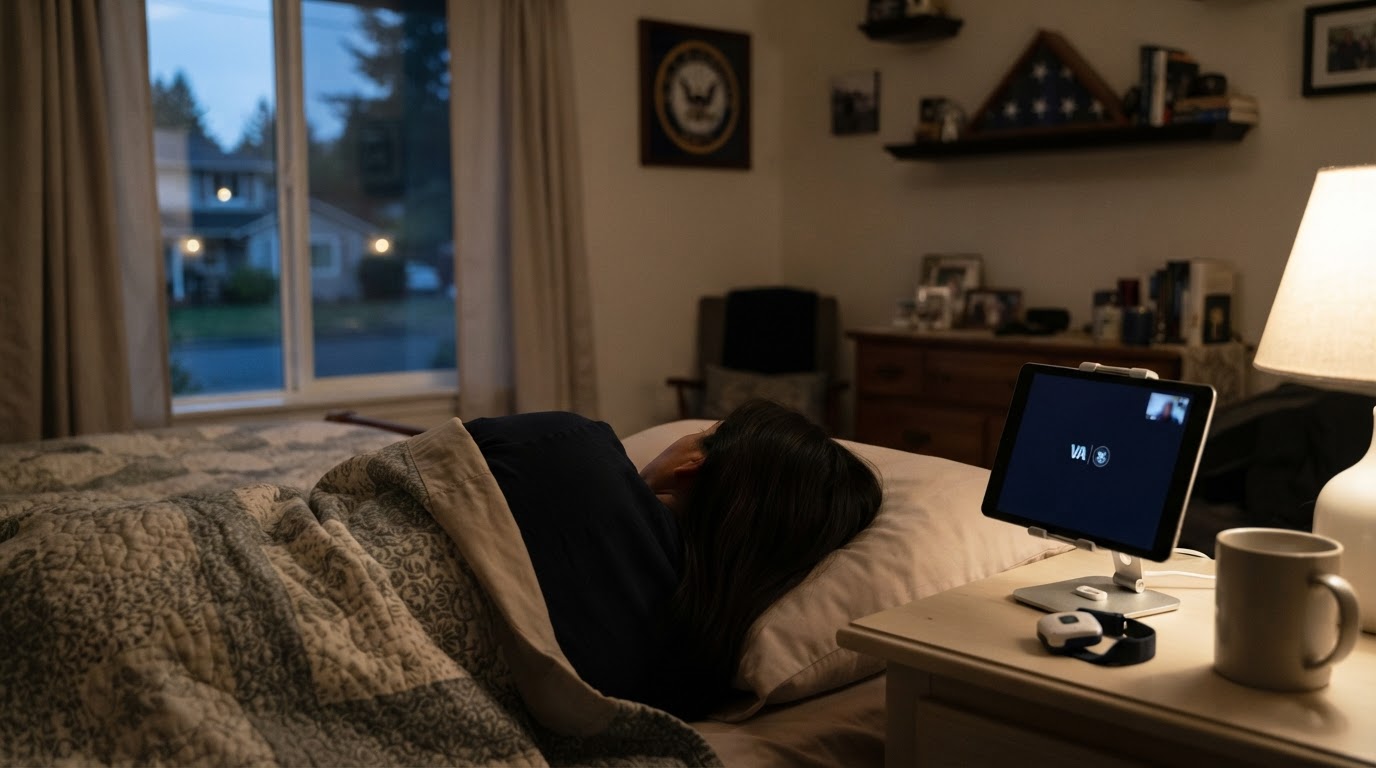
After years of feeling sick and tired, Navy Veteran Denise Guzman connected with a VA sleep specialist through VA’s TeleSleep program.
Rights: fair use excerpt
No AI assistance disclosed
Executive Summary
Navy Veteran Denise Guzman has resolved an extended struggle with chronic fatigue by utilizing specialized remote healthcare services, according to a report published by VA News. The department highlighted Guzman’s experience to demonstrate the utility of its dedicated TeleSleep initiative, a clinical framework designed to evaluate, diagnose, and treat sleep-related disorders among former military personnel through virtual appointments.
Prior to participating in the program, Guzman experienced prolonged stretches characterized by persistent exhaustion and diminished physical wellness, the outlet reports. The specialized intervention facilitated direct communication with a Department of Veterans Affairs sleep specialist, eliminating the standard geographic and logistical barriers associated with traveling to centralized medical centers and providing targeted consultation in a home setting.
Guzman described the virtual healthcare intervention as a profound relief, pointing to the pivotal role the specialized consultation played in allowing her to secure proper rest after years of unaddressed fatigue. VA News framed her trajectory as an example of how decentralized, technology-driven medical practices can systematically address chronic ailments that frequently compromise the daily performance and general health of former service members.
The deployment of virtual health initiatives like the TeleSleep service reflects an expanding emphasis across institutional healthcare to improve access to niche medical disciplines. By connecting patients with specialized clinicians regardless of regional proximity, systems operating at this scale can manage provider shortages, reduce clinic wait times, and offer continuous care pathways for complex conditions that require regular monitoring.
For veterans, healthcare administrators, and civic leaders, Guzman’s experience demonstrates the functional viability of focused telemedicine programs. As modern health networks and enterprise organizations evaluate strategies to improve patient reach and workforce well-being, targeted digital delivery models illustrate how virtual care can successfully address long-standing health impairments without requiring conventional facility-based visits.
This Executive Summary is an original synthesis by Valor & Ventures Media editors based on public reporting by VA News. For the complete original article, please visit the source.
After years of feeling sick and tired, Navy Veteran Denise Guzman connected with a VA sleep specialist through VA’s TeleSleep program.
— VA News
Read the full report: https://news.va.gov/150443/how-telesleep-helped-one-veteran-finally-rest/
Reporting and photography credited as noted above. Originally published by VA News. The hero image on this page is an AI-generated illustration created by Valor & Ventures Media — not a photograph from the source publication.
Checking your membership…