Warsh’s Fed rolls out first interest-rate hike in 3 years — with one more increase expected
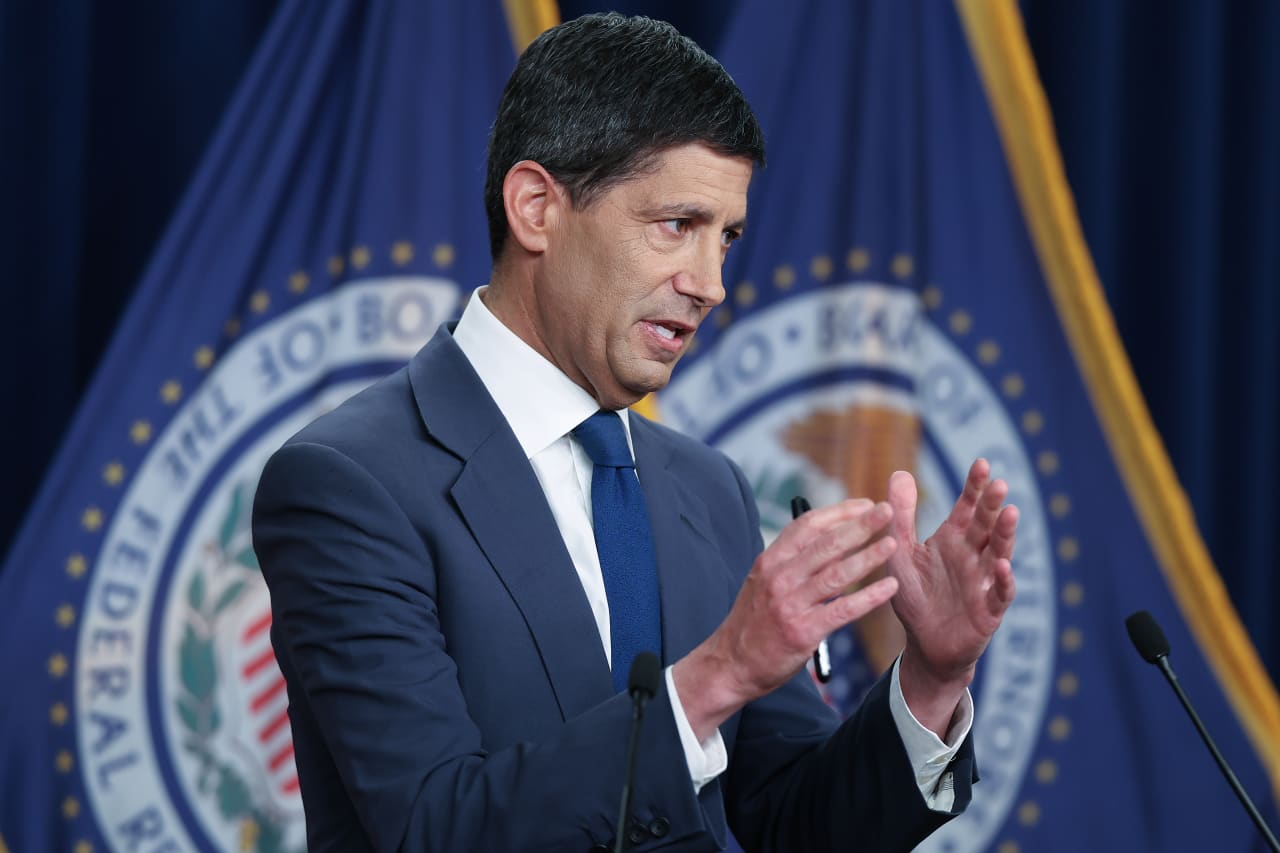
The Federal Reserve on Wednesday rolled out its decision on interest rates as the U.S. central bank tries to tame persistent inflation.
Rights: fair use excerpt
Executive Summary
The United States central bank has officially commenced a new phase of monetary tightening, marking its first upward adjustment to interest rates in three years, according to a report from MarketWatch. The Federal Reserve, under leadership referred to as Warsh's Fed, announced the policy adjustment on Wednesday. This strategic decision comes as the institution confronts a prolonged period of elevated price pressures across the domestic economy. According to the outlet, this initial rate adjustment is anticipated to be part of a broader trajectory, with at least one additional rate increase projected to follow in the coming months.
The primary catalyst for this shift in monetary policy is the central bank's ongoing effort to curb persistent price increases, the report notes. Over the past three years, the Federal Reserve had maintained a different interest rate posture, but the stubbornness of rising consumer prices has prompted a decisive course correction. By elevating the benchmark cost of borrowing, the central bank aims to temper demand and stabilize the purchasing power of the dollar. MarketWatch underscores that the decision reflects a growing consensus within the central bank that more aggressive measures are necessary to curb the inflationary trends that have impacted businesses and households alike.
Looking ahead, the implications of Wednesday's announcement extend beyond this single rate adjustment. The expectation of an additional rate increase, as reported by MarketWatch, suggests that policymakers view the current inflationary environment as a challenge requiring a multi-step intervention. Rather than relying on a singular, isolated adjustment, the central bank's projected path indicates a sustained commitment to bringing inflation back under control. This forward guidance provides a clear signal to financial markets and economic participants that the era of ultra-low borrowing costs is transitioning into a period of more restrictive credit conditions.
For the executive leaders, entrepreneurs, military veterans, and civic decision-makers within the Valor & Ventures Media audience, this shift in the Federal Reserve's policy direction demands careful strategic attention. The transition to higher interest rates fundamentally alters the cost of capital, influencing everything from corporate debt refinancing and venture funding to consumer credit availability. Business founders and corporate executives must assess how rising borrowing costs will impact their operational budgets, capital expenditure plans, and long-term growth forecasts. Navigating this new macroeconomic landscape requires a proactive approach to risk management, ensuring that organizations remain resilient and adaptable as the central bank continues its efforts to stabilize the national economy.
This Executive Summary is an original synthesis by Valor & Ventures Media editors based on public reporting by MarketWatch. For the complete original article, please visit the source.
The Federal Reserve on Wednesday rolled out its decision on interest rates as the U.S. central bank tries to tame persistent inflation.
---
Victor Reklaitis · MarketWatch · Photo: Getty Images
Reporting and photography credited as noted above. Originally published by MarketWatch.
Checking your membership…