Meta’s AI agent has been blocked from using Amazon.com
Muse isn't welcome as a shopper anymore.
Rights: fair use excerpt
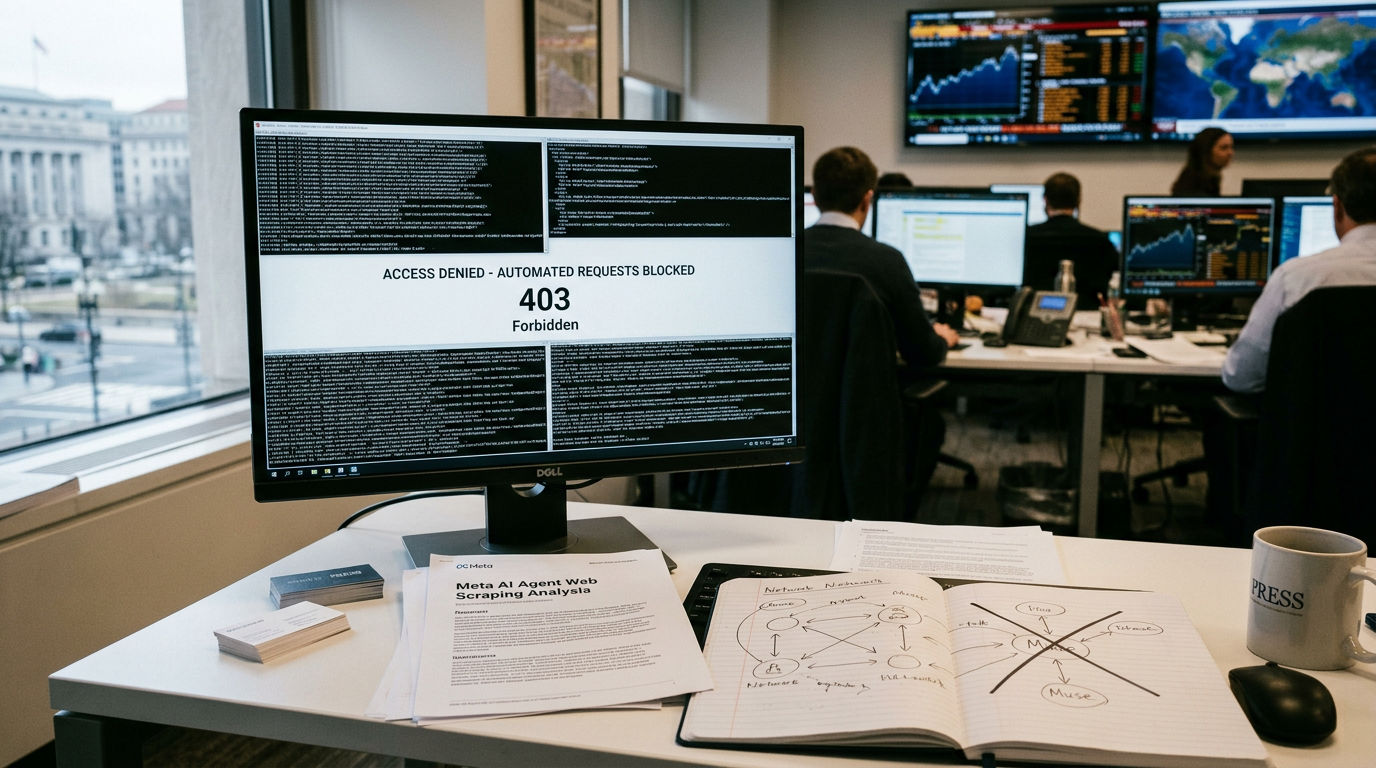
Executive Summary
According to a report by TechCrunch, online retail giant Amazon has blocked Meta's artificial intelligence assistant, known as Muse, from using its platform. The restriction, reported by Russell Brandom, marks a significant development in the evolving relationship between major technology companies and the autonomous software programs they deploy. As AI systems shift from information retrieval to active online interaction, platform operators are beginning to set strict boundaries on how these agents can interact with commercial websites.
The TechCrunch report notes that the AI assistant, which is designed to function as an automated shopper, is no longer permitted on Amazon's retail site. This move highlights an emerging battleground over digital access, where e-commerce platforms seek to protect their transactional environments and consumer data from outside automated tools. While the specific methods used to restrict Meta's agent were not detailed, the action reflects a growing trend among digital marketplaces to prevent unauthorized artificial intelligence models from scraping product details, comparing prices, or acting on behalf of human users without explicit partnership agreements.
This friction between Meta and Amazon represents a pivotal moment for the broader digital economy. As companies invest heavily in building consumer-facing AI agents that can browse, select, and purchase items, they are increasingly running into defensive barriers established by established web platforms. The decision by Amazon to restrict Meta's tool underscores the challenges tech companies face when trying to create seamless, automated experiences across third-party websites that view such automation as a threat to their business models, user experience, or data security.
For business executives, entrepreneurs, and technology leaders, this development highlights the critical strategic decisions ahead regarding platform governance and AI integration. As autonomous agents become more prevalent, organizations must evaluate their own policies regarding machine-generated traffic and decide whether to welcome or restrict external AI assistants. Navigating these boundaries will be essential for leaders looking to safeguard their proprietary digital assets while adapting to a new era of commerce increasingly driven by automated software.
This Executive Summary is an original synthesis by Valor & Ventures Media editors based on public reporting by TechCrunch. For the complete original article, please visit the source.
---
Russell Brandom · TechCrunch
Reporting and photography credited as noted above. Originally published by TechCrunch. The hero image on this page is an AI-generated illustration created by Valor & Ventures Media — not a photograph from the source publication.
Checking your membership…