Palm Oil Fluctuates as Market Faces Dueling Supply Outlooks
Palm oil futures traded near steady in Kuala Lumpur, after fluctuating between gains and losses.
Rights: fair use excerpt
No AI assistance disclosed
Executive Summary
Trading in benchmark palm oil futures experienced notable intraday volatility before settling near steady levels in Kuala Lumpur, according to reporting from Bloomberg. Contracts oscillated between advances and declines throughout the session as market participants assessed conflicting market signals, ultimately leaving prices little changed after a day of indecisive movement.
The primary catalyst behind the choppy trading environment stems from contrasting assessments regarding global availability. The outlet reports that market participants are grappling with dueling supply outlooks, creating a tug-of-war between competing fundamental perspectives. With market intelligence pointing toward conflicting assessments of incoming crop yields and available stockpiles, neither buyers nor sellers were able to establish decisive momentum during the session.
Because the Kuala Lumpur marketplace functions as the premier international bellwether for the edible oils complex, ambiguous trading dynamics there carry significant implications for global trade flows. Palm oil represents one of the most widely consumed agricultural commodities in the world, serving as an essential input across commercial food production, consumer packaged goods, cosmetics, and industrial processing. When traders and commercial hedgers face conflicting intelligence regarding baseline supply metrics, price discovery often turns defensive, prompting institutional participants to manage risk conservatively until reliable data clarifies the physical market landscape.
For executive leadership, operational strategists, and enterprise founders managing input costs across diverse sectors, the session underscores the friction inherent in global commodity exposure. Agricultural supply chains remain acutely sensitive to narrative shifts and asymmetric intelligence, making long-term forecasting an ongoing challenge for corporate procurement teams. Navigating these periods of market tension demands disciplined inventory oversight, sound risk-mitigation strategies, and resilient vendor relationships to ensure operational stability amid fluctuating commodity signals.
This Executive Summary is an original synthesis by Valor & Ventures Media editors based on public reporting by Bloomberg. For the complete original article, please visit the source.
Palm oil futures traded near steady in Kuala Lumpur, after fluctuating between gains and losses.
---
Megan Durisin · Bloomberg
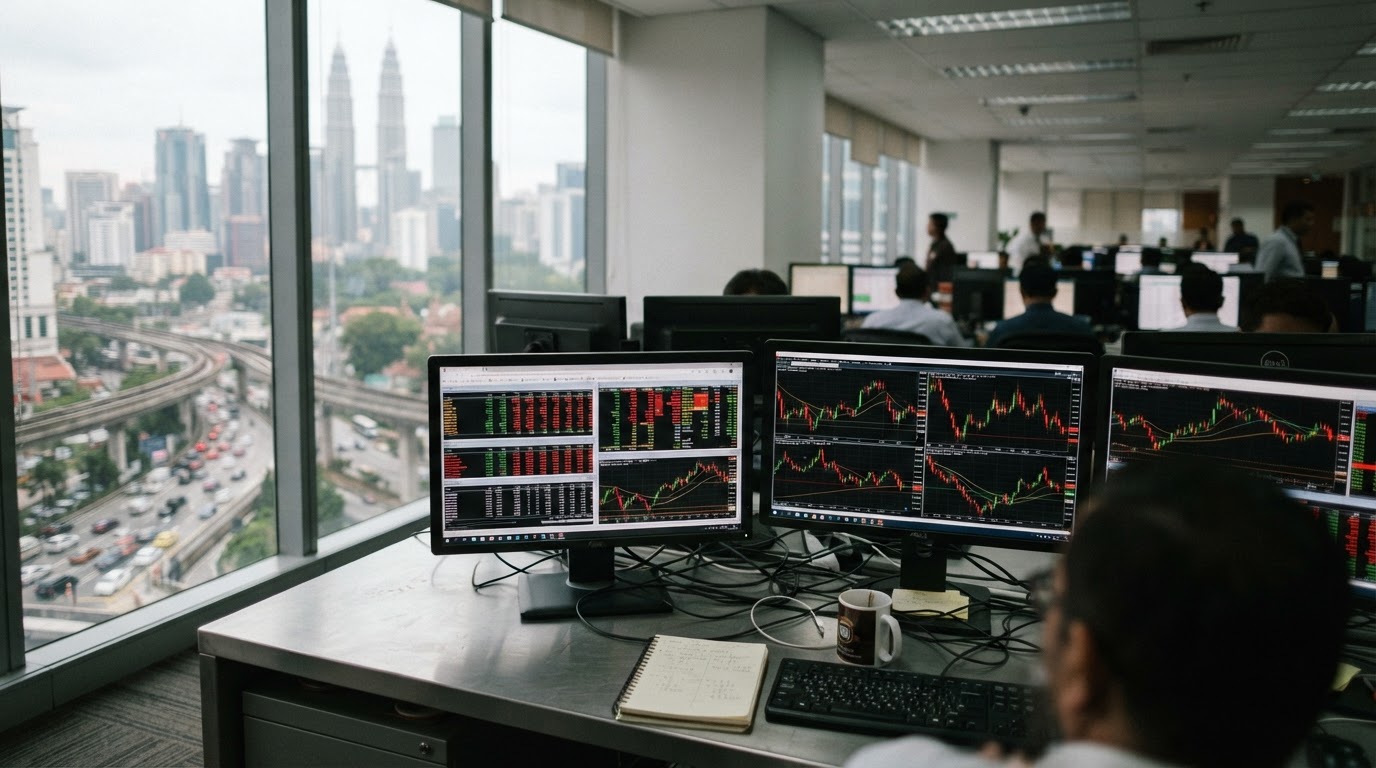
Reporting and photography credited as noted above. Originally published by Bloomberg. The hero image on this page is an AI-generated illustration created by Valor & Ventures Media — not a photograph from the source publication.
Checking your membership…