Disaster philanthropy in a changing landscape: New insights on giving, preparedness and collaboration - Center for Disaster Philanthropy
Disaster philanthropy in a changing landscape: New insights on giving, preparedness and collaboration Center for Disaster Philanthropy
Rights: fair use excerpt
No AI assistance disclosed
Executive Summary
A newly issued briefing from the disaster relief research center highlights significant developments in how donors, charitable institutions, and civic entities navigate emergency funding and crisis management. As acute climate disturbances and socio-economic pressures continue to alter the risk environment, the organization's analysis emphasizes how humanitarian investments are adapting to meet evolving operational demands. The publication, documented through Google News nonprofit tracking, examines critical shifts in philanthropic resource deployment, emphasizing proactive resilience alongside conventional immediate relief efforts.
According to the group's findings, institutional approaches to emergency aid increasingly favor strategic preparation rather than purely reactive capital allocations. Historically, philanthropic capital surged in the immediate wake of catastrophic events, often tapering off just as affected localities commenced long-term reconstruction. The organization's examination points toward an emerging consensus among charitable directors: allocating funds prior to disruptive incidents significantly lowers overall recovery expenses while expediting community stabilization. By prioritizing disaster readiness and structural mitigation, funding organizations are attempting to build enduring protective capacity within vulnerable regional ecosystems.
A central dimension highlighted in the briefing involves cross-sector coordination among nongovernmental entities, commercial enterprises, and municipal authorities. The report underscores that disjointed emergency operations frequently generate redundancies, logistical bottlenecks, and misallocated supplies. To counter these persistent inefficiencies, grantmakers are seeking deeper operational ties with regional stakeholders, community-level organizers, and private supply networks. Through unified planning frameworks and shared situational awareness, philanthropic initiatives aim to ensure that financial capital and material provisions reach underserved populations with minimal administrative friction.
The research also underscores an ongoing evolution in general contributor behavior and donor intent across the broader charitable sphere. Sustained humanitarian disruptions have prompted benefactors to demand greater accountability, data-informed impact assessments, and transparency regarding resource distribution. As philanthropic vehicles face tighter scrutiny and resource constraints, organizations are placing heightened emphasis on sustainable investments that integrate climate resilience into community development models. This strategic pivot reflects an awareness that repetitive emergency cycles require fundamental systemic interventions rather than isolated, short-term grants.
For executives, startup founders, and veteran leaders, the evolving dynamics of humanitarian funding carry direct operational relevance. Corporate decision-makers oversee enterprise supply networks and workplace footprints that are increasingly vulnerable to catastrophic disruption, making resilience strategies an urgent business imperative. Furthermore, military veterans frequently bring specialized logistical knowledge and crisis command experience to both nonprofit boards and disaster response teams. Understanding modern collaborative structures and early-stage mitigation models enables business and civic pioneers to partner more effectively with relief organizations, safeguarding their local workforces and accelerating regional revitalization when emergencies strike.
This Executive Summary is an original synthesis by Valor & Ventures Media editors based on public reporting by Google News — Nonprofits. For the complete original article, please visit the source.
---
Google News — Nonprofits
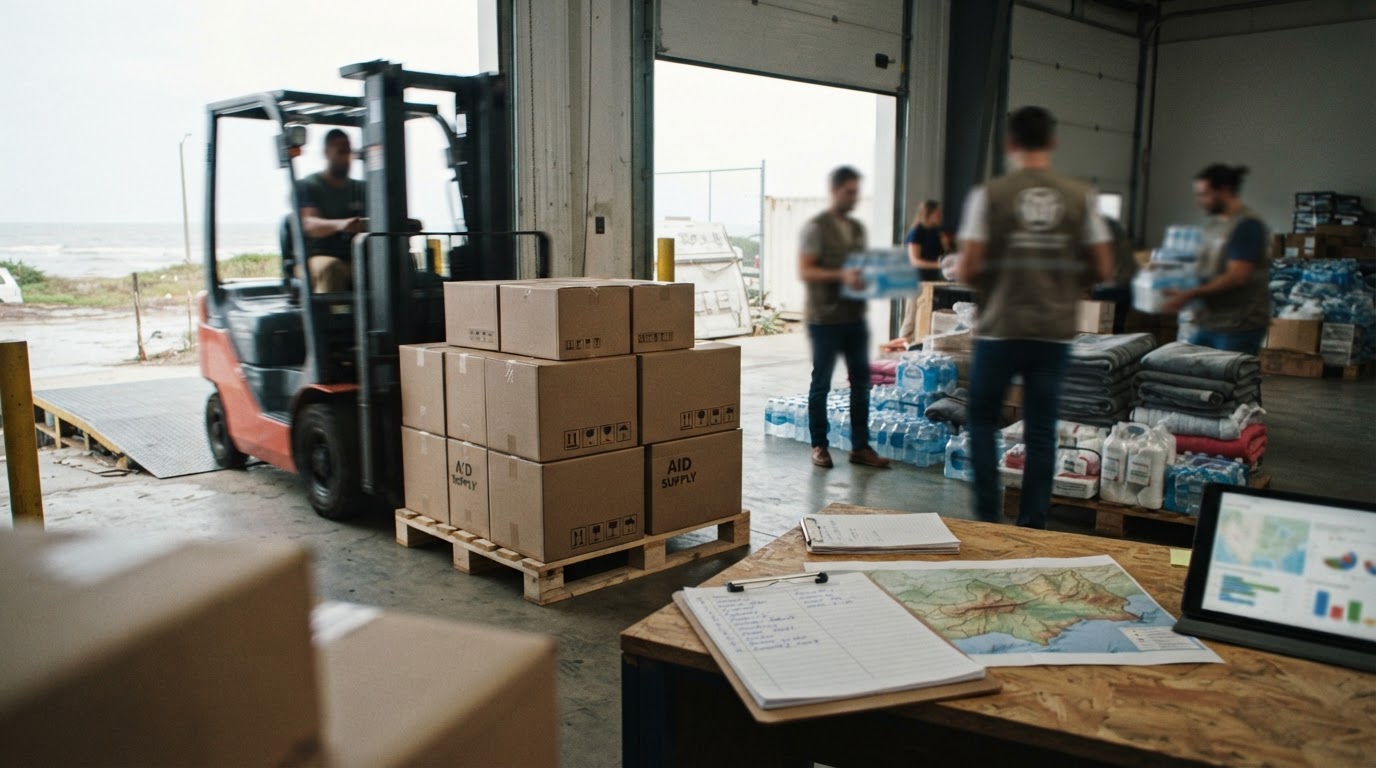
Reporting and photography credited as noted above. Originally published by Google News — Nonprofits. The hero image on this page is an AI-generated illustration created by Valor & Ventures Media — not a photograph from the source publication.
Checking your membership…