Burger King’s Kids’ Meal Sales Are Up 40%. Here’s Why Kids Aren’t the Only Ones Ordering Them.
Sure, upgraded nuggets and an anime tie-in helped, but the company’s president sees another trend emerging.
Rights: fair use excerpt
No AI assistance disclosed
Executive Summary
Fast-food giant Burger King has recorded a forty percent surge in kids' meal sales, according to an analysis reported by Entrepreneur. While such bundled meal packages have traditionally served as an operational tool to attract parents with young children into quick-service locations, the current sales momentum reveals a notable evolution in customer behavior. Corporate performance data highlighted by the outlet indicates that younger diners are no longer the exclusive demographic driving these purchases, as adult consumers increasingly account for a meaningful portion of the demand.
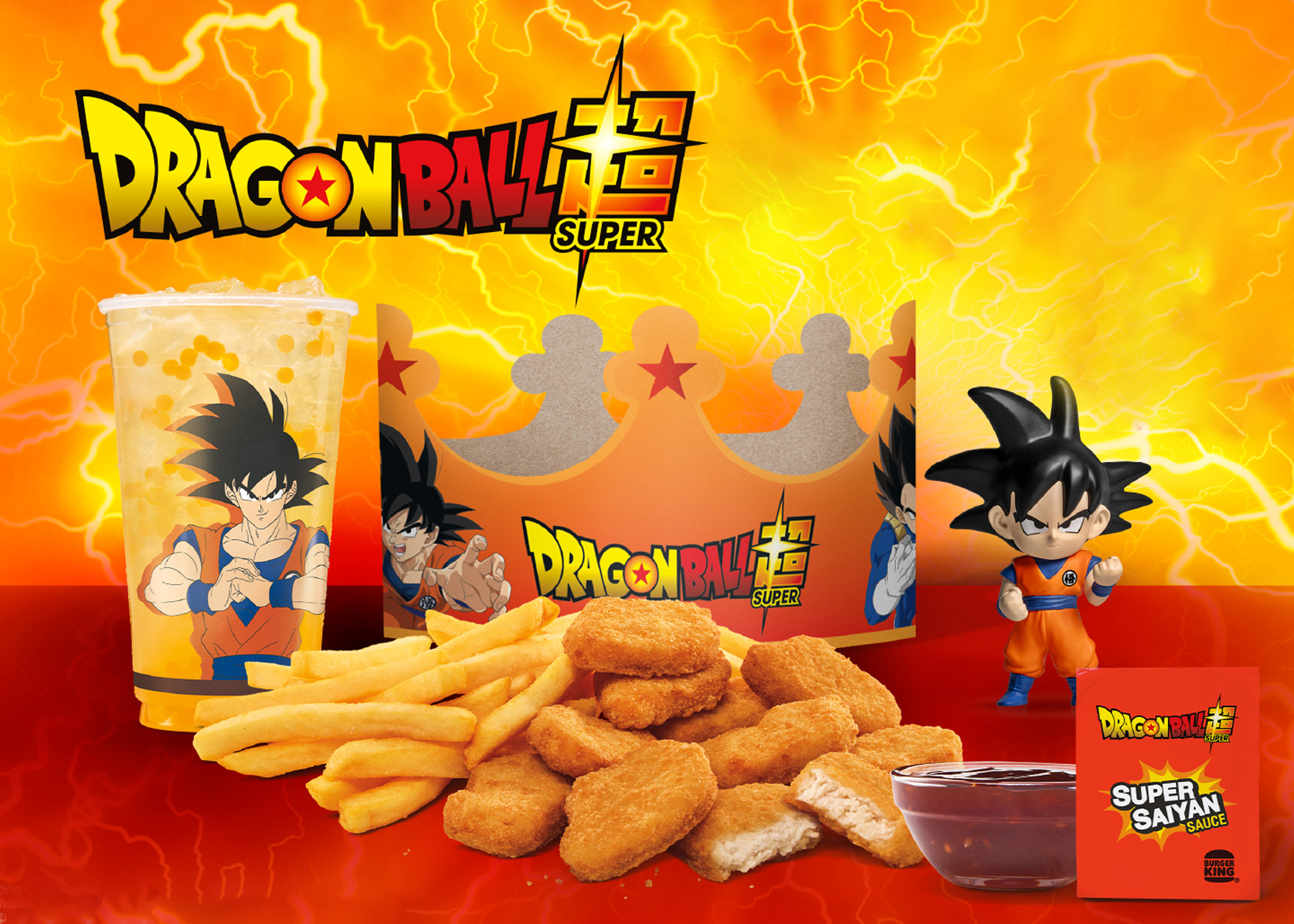
The acceleration in category transactions stems in part from deliberate product enhancements and promotional maneuvers executed by the chain, the report notes. Burger King implemented targeted culinary revisions, including upgraded chicken nuggets, aimed at elevating taste and standard quality across its baseline offerings. Concurrently, the restaurant chain introduced specialized promotional tie-ins, notably featuring an anime partnership. Such entertainment-driven marketing efforts regularly reach well beyond typical adolescent audiences, drawing enthusiastic older demographics who follow specific media franchises.
However, corporate leadership emphasizes that temporary promotional interest accounts for only a portion of the sustained volume. According to the brand's president, referenced by Entrepreneur, the phenomenon points toward an emerging structural shift in how consumers utilize fast-food menus. As patrons navigate broader economic pressures and changing dietary sensibilities, smaller-sized meal bundles offer an appealing combination of cost containment and portion discipline. The scaled-down combos enable individuals to purchase lunch or dinner at a lower price point without committing to standard adult-sized portions, transforming an offering designed for children into a functional alternative for everyday adult diners.
For enterprise executives, franchise owners, and commercial strategists, Burger King’s cross-demographic success provides a clear lesson in how product utility can evolve beyond its original design. Consumer behaviors frequently shift in response to financial constraints, personal habits, and cultural interests, leading patrons to adopt existing inventory in unexpected ways. Rather than adhering strictly to rigid customer personas, responsive organizations monitor these purchasing anomalies to better align their marketing, menu planning, and operational resources with the realities of modern market demand.
This Executive Summary is an original synthesis by Valor & Ventures Media editors based on public reporting by Entrepreneur. For the complete original article, please visit the source.
---
Jonathan Small · Entrepreneur · Photo: Burger King
Reporting and photography credited as noted above. Originally published by Entrepreneur.
Checking your membership…