Expanding dental care for disabled veterans - DAV : Disabled American Veterans
Expanding dental care for disabled veterans DAV : Disabled American Veterans
Rights: fair use excerpt
No AI assistance disclosed
Executive Summary
Disabled American Veterans (DAV) has directed renewed focus toward expanding comprehensive dental care access for disabled former military personnel, according to reporting highlighted by Google News. The veteran advocacy organization continues to spotlight oral healthcare as a critical yet historically constrained element of the support framework provided to the nation's service members. The initiative centers on addressing long-standing disparities in how dental benefits are administered and determining which segments of the disabled veteran population are eligible for routine and preventive care.
Access to full dental coverage has historically represented a significant point of discussion across the veteran community. Under established federal healthcare regulations, routine dental treatment is generally restricted to individuals who meet stringent qualification criteria, such as holding a direct service-connected dental disability or reaching specific service-connected disability ratings. As a result, a substantial portion of disabled veterans enrolled in federal medical programs remain excluded from comprehensive dental services, leaving many to either incur significant out-of-pocket private costs or forgo essential oral healthcare entirely.
Advocacy efforts spearheaded by organizations like DAV regularly emphasize that oral health cannot be separated from broader systemic health. Untreated oral conditions have been documented to aggravate chronic medical ailments, including cardiovascular disease, diabetes, and immune system complications, which can ultimately increase the long-term strain on broader veteran healthcare networks. By pushing for widened dental eligibility, the organization seeks to encourage policy shifts that recognize preventive dental treatment as a core pillar of general medical well-being rather than a supplementary service.
Translating expanded benefit concepts into operational reality presents practical considerations for administrators and lawmakers alike. Any significant broadening of eligibility requires evaluating clinical capacity across public medical facilities, coordinating with private community care dental providers, and securing consistent budgetary allocations to handle elevated patient volumes. Institutional leaders must weigh whether proposed expansions are best managed within existing medical facilities or through extended partnerships with civilian dental practices to prevent backlogs and ensure equitable geographic coverage.
For business executives, civic leaders, and veteran community stakeholders, the evolution of veteran dental care policies offers valuable insights into public healthcare administration and workforce wellness. Effective post-service care directly affects the transition, productivity, and long-term health of veterans entering the private sector and civic life. Monitoring how advocacy organizations such as DAV advance these healthcare priorities provides institutional leaders with a clearer understanding of shifting policy standards, resource management, and corporate responsibility toward military veterans.
This Executive Summary is an original synthesis by Valor & Ventures Media editors based on public reporting by Google News — Veterans. For the complete original article, please visit the source.
---
Google News — Veterans
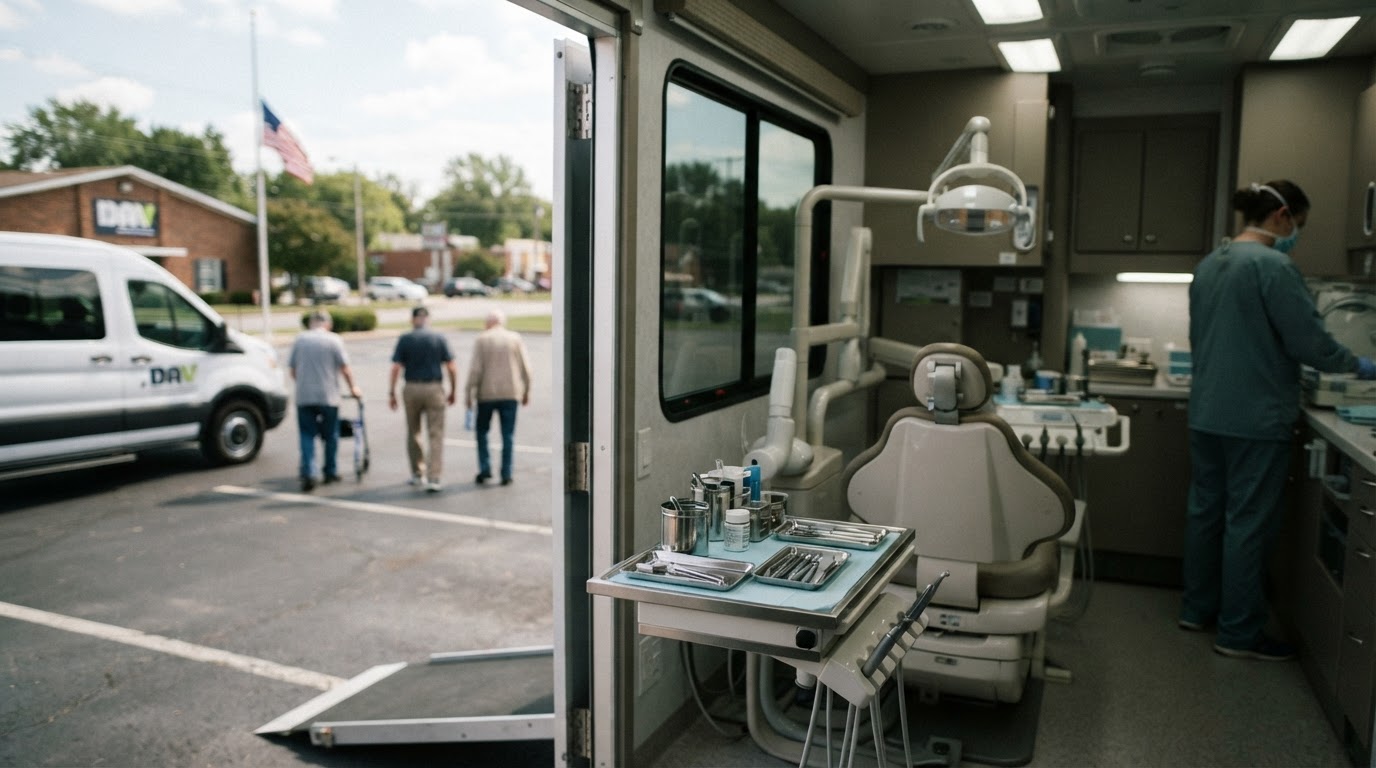
Reporting and photography credited as noted above. Originally published by Google News — Veterans. The hero image on this page is an AI-generated illustration created by Valor & Ventures Media — not a photograph from the source publication.
Checking your membership…