Day by day: How VA social workers helped a Veteran find recovery
A Veteran’s recovery shows how VA posttraumatic stress disorder and substance use care, and social work, create pathways to healing and hope.
Rights: fair use excerpt
No AI assistance disclosed
Executive Summary
According to a report published by VA News, coordinated interventions addressing post-traumatic stress disorder and substance use challenges play a foundational role in guiding military veterans toward sustainable recovery. Authors Lindsey Pineda and Shawn Liu highlight how clinical social workers within the Department of Veterans Affairs serve as central coordinators across comprehensive behavioral health networks. The profile underscores the agency's ongoing focus on addressing the complex intersection of combat-related psychological trauma and chemical dependency through structured, day-to-day therapeutic engagement.
The account emphasizes that addressing substance misuse among former service members often requires concurrent treatment for underlying trauma conditions. Within the VA healthcare framework, integrated care models are structured to ensure that individuals are not treated for addiction in isolation from the psychological stressors that frequently exacerbate it. By addressing both conditions simultaneously, clinical teams aim to disrupt cycles of relapse and foster resilient pathways toward personal and emotional stability.
Central to this approach is the specialized role of VA social workers, who operate as direct links between clinical care providers and community-based rehabilitation resources. According to the publication, these professionals provide holistic case management that extends beyond immediate clinical visits. Their involvement frequently encompasses assistance with healthcare navigation, family support integration, and long-term stabilization planning, helping veterans manage the multifaceted logistical and emotional demands that accompany sustained rehabilitation.
The agency's account highlights the incremental nature of recovery, positioning sustained health as a continuous process rather than an immediate outcome. By maintaining consistent touchpoints with social workers and mental health practitioners, veterans navigating severe behavioral health hurdles receive the continuous accountability and guidance needed to rebuild civilian life. This collaborative treatment methodology reflects broader shifts across modern healthcare systems toward integrated, patient-centered care for complex, co-occurring disorders.
For business leaders, veteran advocates, and civic decision-makers, the operational dynamics of veteran recovery illustrate the critical importance of robust support systems in professional and community reintegration. Veterans transitioning back into civilian employment and leadership roles frequently encounter residual service-related pressures, making access to reliable behavioral health resources an economic and organizational imperative. Understanding how dedicated case management facilitates long-term recovery offers valuable insights for corporate wellness initiatives, transitional employment programs, and broader public health infrastructure.
This Executive Summary is an original synthesis by Valor & Ventures Media editors based on public reporting by VA News. For the complete original article, please visit the source.
A Veteran’s recovery shows how VA posttraumatic stress disorder and substance use care, and social work, create pathways to healing and hope.
---
Lindsey Pineda and Shawn Liu · VA News
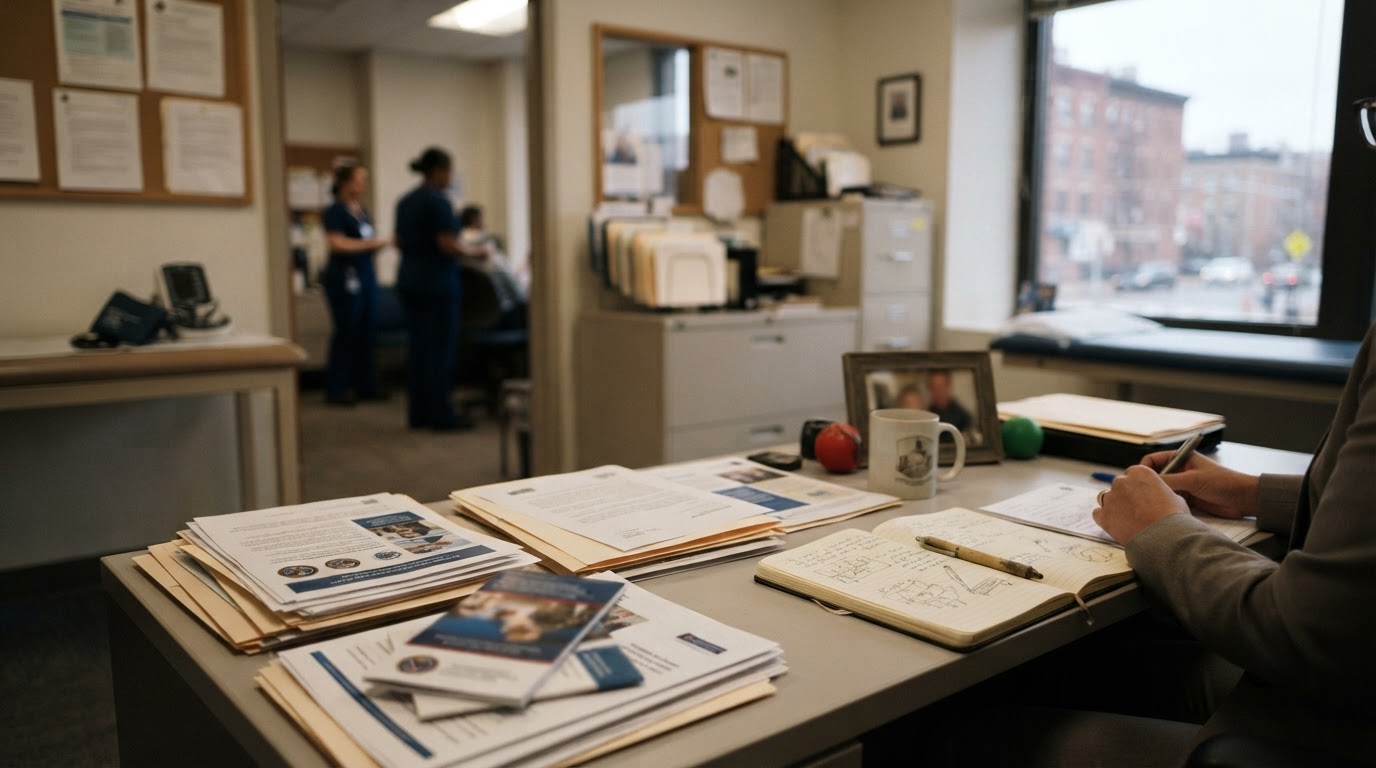
Reporting and photography credited as noted above. Originally published by VA News. The hero image on this page is an AI-generated illustration created by Valor & Ventures Media — not a photograph from the source publication.
Checking your membership…