After the ‘martyr’s’ funeral: The families left behind by Yemen’s war
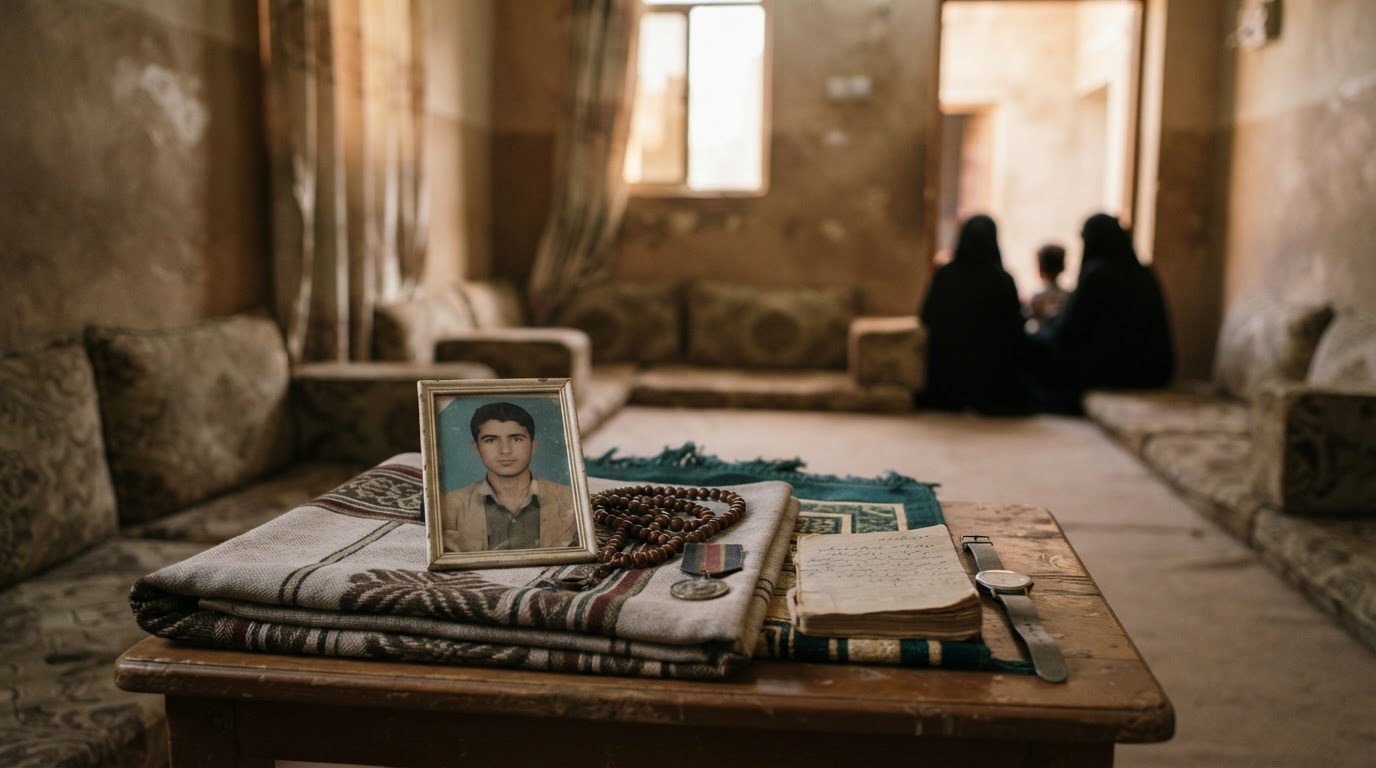
Rising fatalities in Yemen’s conflict deepen the burden on families of fighters, both emotionally and financially.
Rights: fair use excerpt
No AI assistance disclosed
Executive Summary
The enduring armed conflict in Yemen continues to extract a devastating toll that extends well beyond the front lines, as mounting combat casualties increasingly destabilize the households of fallen fighters. According to a report by Al Jazeera, escalating fatalities are imposing severe emotional trauma and acute financial strain on the relatives left behind. While public commemorations and traditional memorial services offer momentary recognition to deceased combatants, surviving dependents are left to confront the harsh consequences of sudden breadwinner loss amid widespread regional distress.
At the center of this unfolding crisis is the severe economic dislocation experienced by families once funeral rites conclude. The report highlights that the elimination of primary household earners leaves dependents in an exceptionally fragile financial position. Without reliable income streams or durable safety nets, surviving kin must navigate sudden insolvency, escalating living expenses, and the daily challenge of securing basic necessities. The material hardship falls heavily on children, spouses, and elderly family members, turning personal bereavement into an immediate and ongoing struggle for subsistence.
Beyond the physical and economic privation, the compounding psychological weight on affected communities represents an escalating humanitarian challenge. Al Jazeera emphasizes that the emotional burden on relatives deepens as protracted warfare claims more lives, leaving fractured family units to manage sustained grief without adequate institutional or communal backing. The relentless cycle of loss reshapes neighborhood dynamics and places heavy strain on surviving caregivers, embedding long-term psychological distress across successive generations.
The broader structural ramifications demonstrate that the societal fallout of protracted warfare persists long after military operations cease. As fatality rates rise, the expanding population of vulnerable, dependent households creates systemic friction that threatens future reconstruction efforts. Depleting a nation's working-age population undermines local labor capacity and strains already fragile support networks, creating structural vulnerabilities that complicate regional recovery for years to come.
For executives, military veterans, and civic-minded leaders, the plight of these surviving families serves as an important reminder of the lasting human and economic deficits produced by sustained geopolitical conflict. Modern warfare degrades not only infrastructure and commercial corridors, but also the fundamental human capital required for future stability. Recognizing the full spectrum of post-conflict familial and socioeconomic dislocation remains essential for professionals assessing international security environments, supply chain resilience, and post-war rehabilitation.
This Executive Summary is an original synthesis by Valor & Ventures Media editors based on public reporting by Al Jazeera. For the complete original article, please visit the source.
Rising fatalities in Yemen’s conflict deepen the burden on families of fighters, both emotionally and financially.
---
Al Jazeera Staff · Al Jazeera
Reporting and photography credited as noted above. Originally published by Al Jazeera. The hero image on this page is an AI-generated illustration created by Valor & Ventures Media — not a photograph from the source publication.
Checking your membership…