Drones built to look like birds evaded detection at Air Force tech exercise
Conspiracy theorists could be onto something with the whole “Birds Aren’t Real” thing.
Rights: fair use excerpt
No AI assistance disclosed
Executive Summary
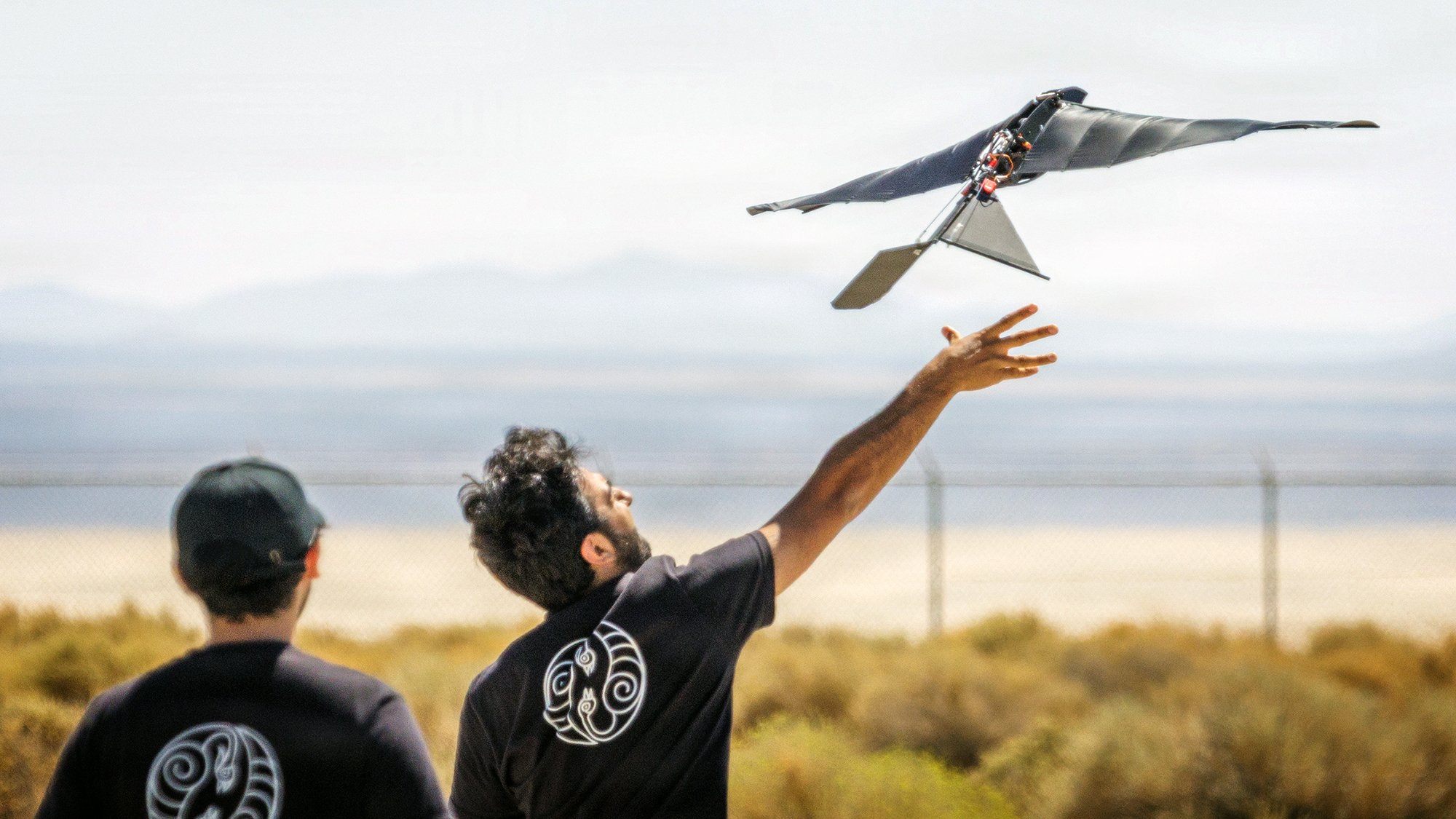
Unmanned aerial systems engineered to visually and mechanically resemble birds successfully bypassed military surveillance systems during an Air Force technology assessment, according to reporting by Patty Nieberg for Task & Purpose. The exercise underscored how biomimetic design choices can confound conventional airspace monitoring, allowing small platforms to blend into everyday environmental backgrounds. By mimicking avian flight characteristics and visual profiles, these unmanned craft demonstrated that unconventional airframe configurations can circumvent detection frameworks designed to safeguard defense installations and operating environments.
The findings point to significant operational hurdles for existing counter-unmanned aerial systems (C-UAS). Standard defense architectures, ranging from ground-based radar suites to automated optical sensors, often employ filtering mechanisms designed to ignore environmental noise, including routine bird activity, to prevent false alarms and operator fatigue. As the outlet reports, these specialized bird-like drones were able to operate undetected throughout the Air Force trial, effectively exploiting the gaps between natural biological phenomena and traditional synthetic threat profiles. Overcoming this blind spot requires systems capable of performing far more nuanced classification than simple velocity, altitude, or radar cross-section assessments.
From a tactical and force-protection perspective, the proliferation of nature-mimicking platforms significantly complicates threat assessment and perimeter defense. When automated sensors and human personnel cannot reliably distinguish between benign wildlife and potential reconnaissance or strike platforms, response windows shrink dramatically. The Air Force exercise highlights the reality that as adversaries explore low-observable physical designs and unconventional flight physics, military installations require layered sensing strategies. Resolving these tracking challenges will likely depend on integrated multi-spectrum monitoring capable of analyzing subtle kinetic anomalies, acoustic signals, and radio-frequency emissions rather than relying strictly on visual or radar identification alone.
For defense technologists, aerospace executives, and national security leaders, the results of the Air Force demonstration underscore a decisive shift in the UAS landscape toward advanced deception and biomimicry. As autonomous systems grow more varied and accessible, the market for counter-drone technologies must evolve beyond tracking conventional quadcopters and fixed-wing silhouettes. Developing robust, low-false-alarm surveillance tools that can accurately identify biomimetic threats will remain a vital priority for commercial defense innovators, military planners, and civic officials tasked with protecting critical domestic and expeditionary infrastructure.
This Executive Summary is an original synthesis by Valor & Ventures Media editors based on public reporting by Task & Purpose. For the complete original article, please visit the source.
---
Patty Nieberg · Task & Purpose
Reporting and photography credited as noted above. Originally published by Task & Purpose.
Checking your membership…