Taiwan Dollar, Won Slump as Chip Stock Selloff Hurts Sentiment
The Taiwan dollar and South Korean won led losses among Asian currencies in early trading as an overnight slump in Wall Street semiconductor shares spilled into regional markets, dampening demand for artificial intelligence supply-chain plays.
Rights: fair use excerpt
No AI assistance disclosed
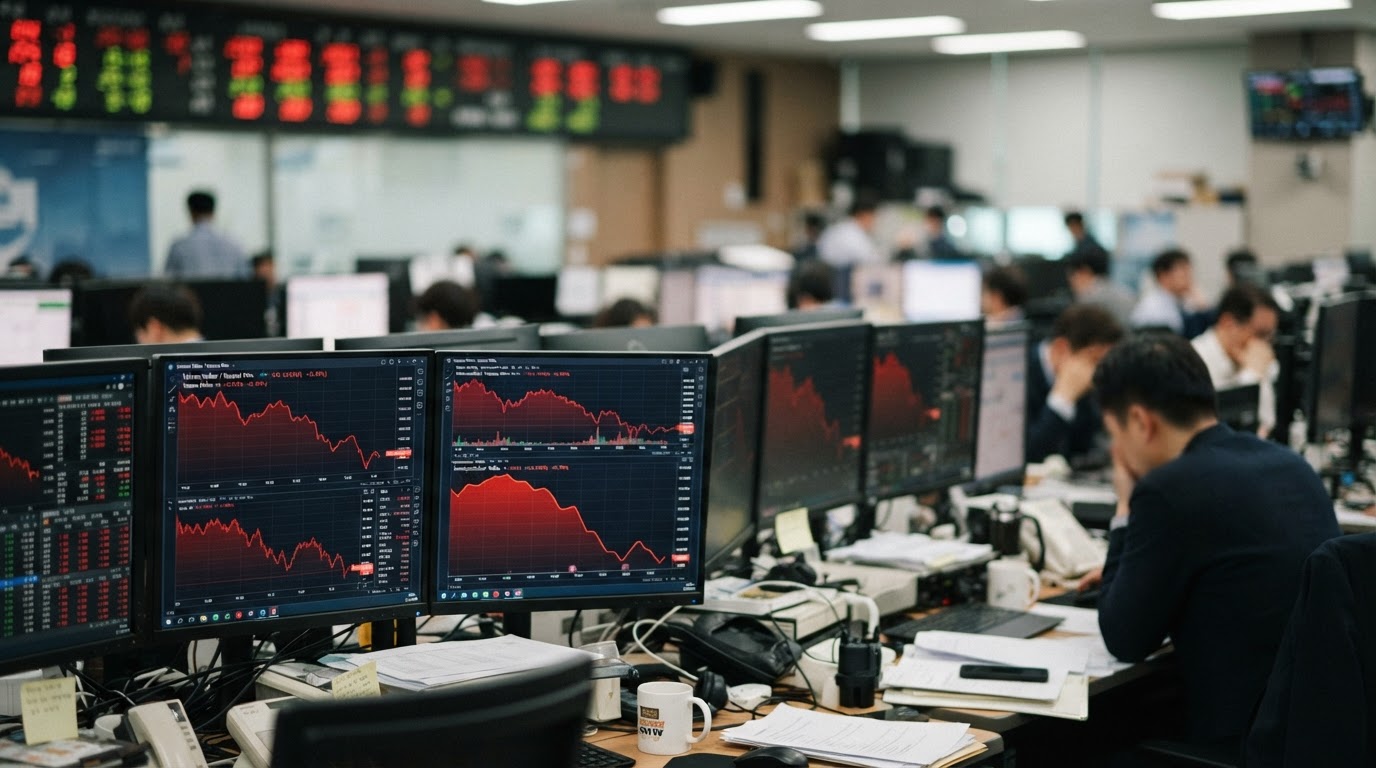
Executive Summary
Financial markets across East Asia experienced significant downward pressure during early trading sessions on Wednesday, as a sharp retreat in U.S. technology equities triggered a regional selloff. The Taiwan dollar and the South Korean won emerged as the primary victims of this shift, recording the steepest declines among Asian currencies. This volatility follows a difficult night for semiconductor stocks on Wall Street, which appears to have cooled recent investor enthusiasm for the hardware providers and manufacturers essential to the global artificial intelligence infrastructure.
According to Bloomberg, the sudden depreciation of these currencies is directly linked to a broader cooling of sentiment regarding the AI-driven tech sector. As major chip designers in the United States saw their valuations dip, regional investors in Taipei and Seoul reacted by pulling back from local tech giants that serve as critical links in the global electronics supply chain. This movement highlights the deep sensitivity of Asian emerging markets to the performance of American NASDAQ-listed firms, particularly those involved in high-end computing and memory production.
The decline in the Taiwan dollar reflects growing concerns over the sustainability of recent capital inflows that had previously bolstered the island’s economy. Similarly, the South Korean won struggled as traders weighed the potential for a prolonged correction in the memory chip market. Because both economies are heavily weighted toward high-tech exports, their national currencies often function as barometers for global risk appetite in the technology sector. The report indicates that the current slump has effectively dampened the momentum that characterized these markets during the first half of the fiscal year.
While the immediate trigger was a downturn in U.S. markets, the ripple effects in Asia demonstrate the fragility of the current artificial intelligence rally. Currency traders are closely watching for signs of stabilization, yet the initial reaction suggests a defensive pivot by institutional investors. The outlet reports that this selloff has momentarily interrupted the narrative of relentless growth in the AI supply chain, forcing a revaluation of near-term demand for the specialized hardware produced in these regions.
For executives and leaders in the business and veteran communities, this market movement serves as a reminder of the interconnected nature of global supply chains and sovereign currency stability. Founders in the technology space and logistics leaders should note how fluctuations in equity sentiment can rapidly translate into currency volatility, affecting the cost of international trade and procurement. As the artificial intelligence sector matures, its influence on the broader geopolitical economic landscape will continue to create both risks and opportunities that require vigilant monitoring by civic and corporate decision-makers alike.
This Executive Summary is an original synthesis by Valor & Ventures Media editors based on public reporting by Bloomberg. For the complete original article, please visit the source.
The Taiwan dollar and South Korean won led losses among Asian currencies in early trading as an overnight slump in Wall Street semiconductor shares spilled into regional markets, dampening demand for artificial intelligence supply-chain plays.
---
Hooyeon Kim and Chien-Hua Wan · Bloomberg
Reporting and photography credited as noted above. Originally published by Bloomberg. The hero image on this page is an AI-generated illustration created by Valor & Ventures Media — not a photograph from the source publication.
Checking your membership…