Iron Ore Trades Below $90 a Ton for First Time Since 2024
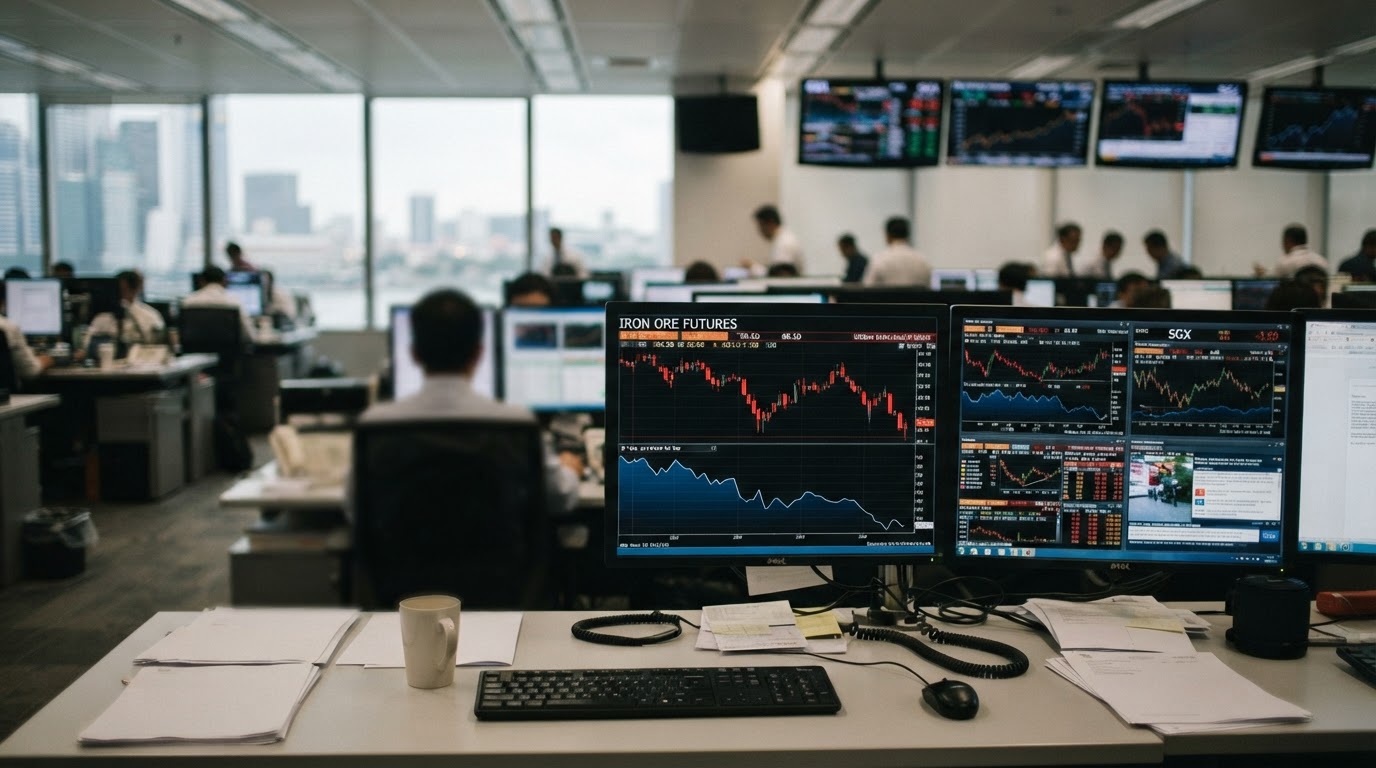
Iron ore futures in Singapore slipped to a two-year low under $90 a ton, extending a retreat fueled by soft demand in China and too much global supply.
Rights: fair use excerpt
No AI assistance disclosed
Executive Summary
Global commodity markets reached a significant milestone this week as iron ore futures in Singapore plummeted below the $90 per ton threshold. This valuation marks the lowest price point for the essential steel-making ingredient since 2024, signaling a prolonged cooling period for industrial raw materials. The decline reflects a broader shift in the international trade landscape, where once-insatiable demand for infrastructure components has begun to face significant headwinds, according to Bloomberg. The drop represents a notable retreat from previous highs, indicating that the supply-demand balance has tipped toward a surplus.
A primary driver behind this price erosion is the cooling industrial activity in China, which has historically functioned as the world’s largest consumer of the mineral. The outlet reports that soft demand within the Chinese domestic market has failed to absorb current production levels. As the real estate and manufacturing sectors in East Asia grapple with slowing growth, the requirement for new steel production has diminished. This lack of consumption is creating a ripple effect throughout the global supply chain, forcing producers to contend with a market that no longer requires their full output capacity.
While demand is faltering, the supply side of the equation remains robust, exacerbating the downward pressure on prices. Major mining operations across the globe have maintained high extraction volumes, leading to what the report identifies as an overabundance of global supply. This mismatch between record-level output and sluggish industrial appetite has created a glut that market analysts are closely monitoring. The inability of the market to sustain prices above the $90 mark suggests that the current surplus is not a temporary fluctuation but a structural challenge for the industry.
For executives and leaders in the industrial and technology sectors, these developments serve as a critical indicator of global economic health. A two-year low in iron ore pricing often precedes shifts in construction costs, heavy machinery manufacturing, and large-scale infrastructure investment. For the veteran-led business community and civic leaders, this trend highlights the volatility of international commodities and the necessity of diversifying supply chains. Understanding these macroeconomic movements is essential for strategic planning, as the health of the steel industry remains a foundational metric for the broader global economy.
This Executive Summary is an original synthesis by Valor & Ventures Media editors based on public reporting by Bloomberg. For the complete original article, please visit the source.
Iron ore futures in Singapore slipped to a two-year low under $90 a ton, extending a retreat fueled by soft demand in China and too much global supply.
---
Bloomberg News · Bloomberg
Reporting and photography credited as noted above. Originally published by Bloomberg. The hero image on this page is an AI-generated illustration created by Valor & Ventures Media — not a photograph from the source publication.
Checking your membership…