Navy tests camera system to alert crew when sailors go overboard
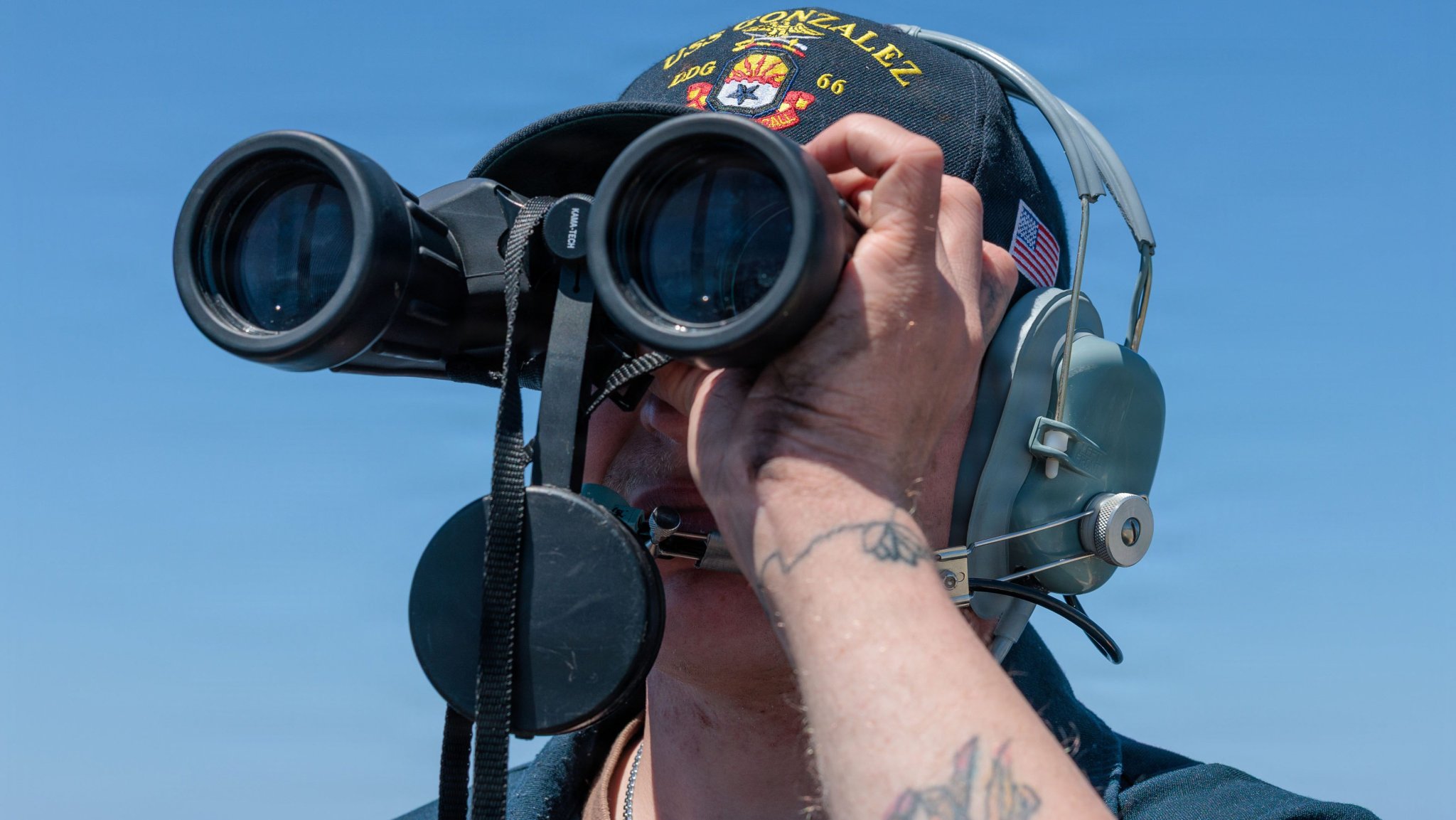
The Man Overboard Detection System uses thermal cameras that detect if a sailor falls or intentionally jumps from the ship.
Rights: fair use excerpt
No AI assistance disclosed
Executive Summary
The U.S. Navy has undertaken testing of an automated monitoring system designed to promptly notify shipboard personnel whenever a service member goes overboard, according to a report from Task & Purpose. Known as the Man Overboard Detection System, the platform is engineered to register when an individual either accidentally tumbles or deliberately jumps from a vessel. By utilizing specialized sensor arrays, the service aims to drastically reduce response times during life-threatening maritime emergencies where every elapsed minute complicates recovery efforts.
According to the outlet, the core architecture of the initiative centers on thermal imaging cameras positioned to scan critical areas around the ship. Thermal sensors allow the system to function across varied environmental conditions, maintaining tracking capabilities during nighttime operations or through fog and precipitation that would otherwise obscure conventional visual oversight. When the system detects a human signature departing the deck, it is designed to transmit an immediate alert directly to crew members, bypassing the traditional reliance on physical sightings by watchstanders.
Man-overboard incidents represent one of the most perilous operational hazards encountered by naval forces, where delay in notification often turns search-and-rescue missions into protracted, low-probability operations. On large surface combatants with vast hull footprints, an unnoticed fall can lead to situations where leadership does not realize an individual is missing until scheduled roll calls or watch turnovers hours later. By establishing an immediate, automated confirmation mechanism, maritime units can mark precise coordinates at the moment of entry, significantly narrowing the search envelope and optimizing the deployment of rescue boats and aviation assets.
For executive leadership, defense technologists, and veterans across the national security community, this testing highlights the expanding application of automated sensing to solve enduring personnel safety challenges. Rather than replacing human vigilance, the integration of targeted computer vision and thermal analytics serves as an operational force multiplier, reducing human error in high-stress, high-consequence environments. As the military continues to modernize its surface fleet, the adoption of proactive safety systems illustrates how technological innovation can directly reinforce organizational readiness and the foundational imperative to protect service members deployed at sea.
This Executive Summary is an original synthesis by Valor & Ventures Media editors based on public reporting by Task & Purpose. For the complete original article, please visit the source.
---
Patty Nieberg · Task & Purpose
Reporting and photography credited as noted above. Originally published by Task & Purpose.
Checking your membership…