Why the Army is detonating explosives at an Iowa munitions plant
The effort is meant to dispose of unstable materials, but the Army is warning nearby communities of potential lead exposure.
Rights: fair use excerpt
No AI assistance disclosed
Executive Summary
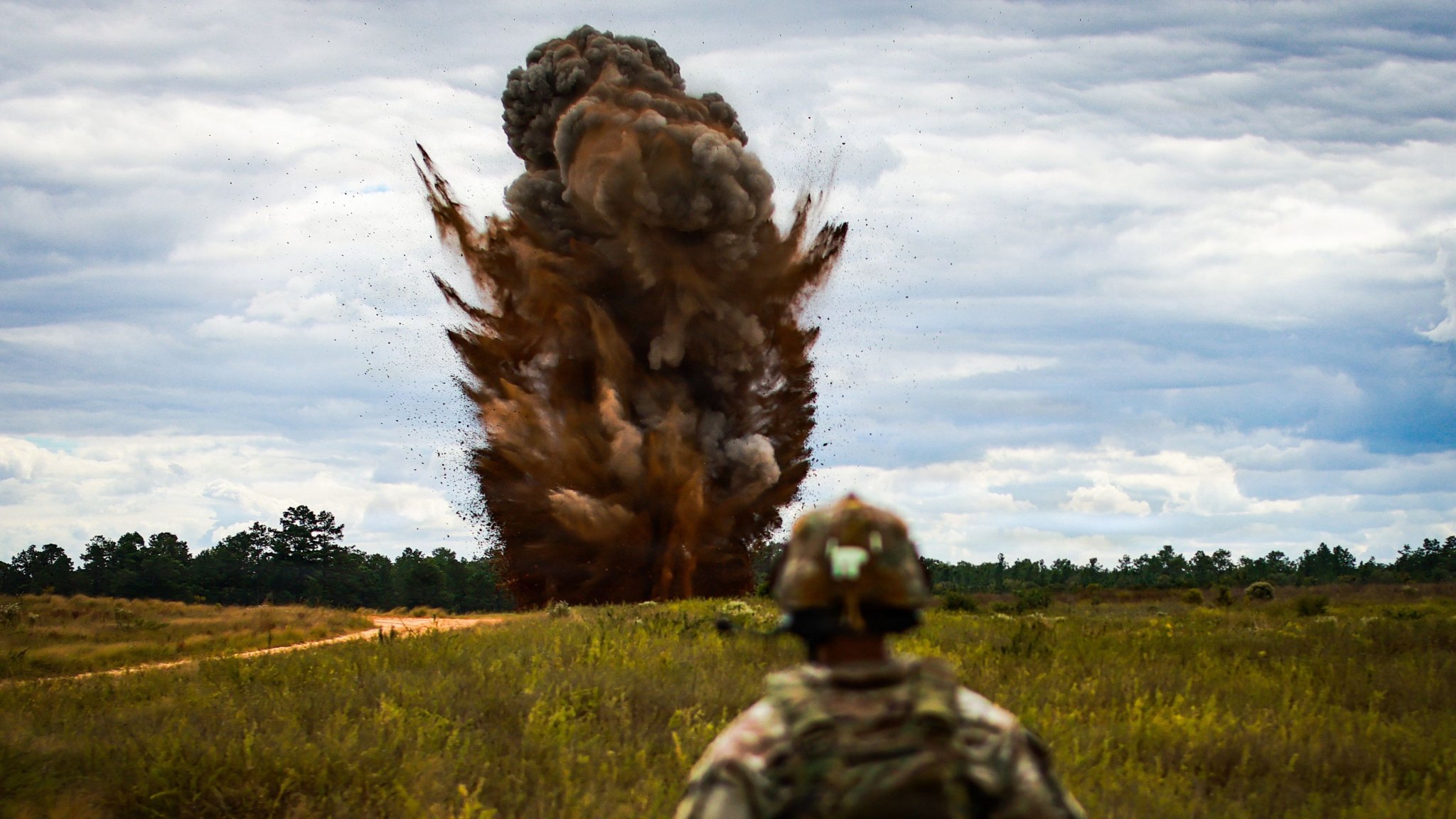
The United States Army is conducting controlled detonations of explosive stockpiles at a munitions production facility located in Iowa, according to a report by Nicholas Slayton for Task & Purpose. The military disposal campaign has been undertaken to address aging or chemically unstable materials stored at the installation. While such operations are standard procedure for neutralizing degraded energetic compounds, the activity has drawn scrutiny due to the immediate environmental footprint associated with explosive remediation.
The underlying necessity for the detonations stems from the operational hazard posed by deteriorating ordnance components. As the outlet reports, the military branch determined that the designated materials had reached an unstable state, precluding safe conventional transport or long-term retention. To eliminate the danger of accidental deflagration, defense personnel selected direct detonation protocols to neutralize the volatile inventory, balancing facility safety against the logistical difficulties of handling compromised energetic substances.
Despite the focus on eliminating acute safety hazards at the plant, the remediation process has generated broader concerns regarding off-post fallout. According to Task & Purpose, the Army issued advisories to nearby residential communities warning of potential lead exposure resulting from the controlled blasts. Detonating munitions containing heavy metal elements creates risks of particulate dispersion into surrounding air sheds and local environments, underscoring the delicate balance between rendering hazardous defense compounds inert and protecting adjacent civilian populations from chemical contaminants.
For defense contractors, military veterans, and municipal executives, the unfolding situation at the Iowa facility illustrates the complex management challenges tied to the nation's domestic defense industrial infrastructure. Aging production sites often require difficult trade-offs between rapid hazard remediation and community health protections. For leadership across the defense and public policy sectors, the operation highlights the critical importance of transparent intergovernmental communication, rigorous environmental containment strategies, and sustained oversight when decommissioning hazardous military materials.
This Executive Summary is an original synthesis by Valor & Ventures Media editors based on public reporting by Task & Purpose. For the complete original article, please visit the source.
---
Nicholas Slayton · Task & Purpose
Reporting and photography credited as noted above. Originally published by Task & Purpose.
Checking your membership…