Navy cargo ship crew honored for rescuing Philippine fishermen
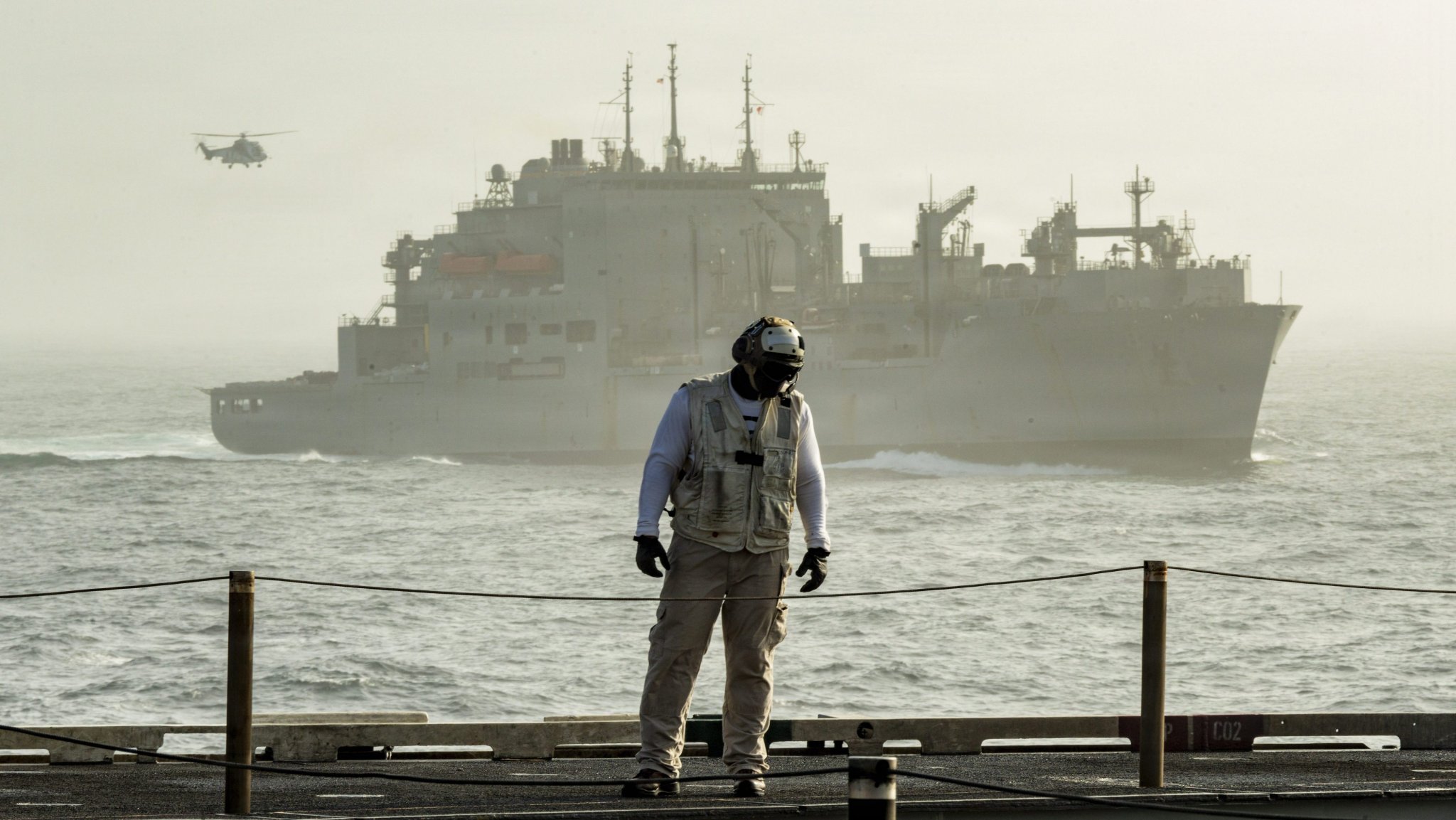
Vigilant watchstanders aboard USNS Cesar Chavez spotted the crew of a Philippine fishing boat adrift in the South China Sea.
Rights: fair use excerpt
No AI assistance disclosed
Executive Summary
Crew members of the American naval auxiliary vessel USNS Cesar Chavez have received formal commendation following their successful intervention to aid stranded Philippine fishermen, according to reporting from Task & Purpose. The event unfolded in the South China Sea, where personnel aboard the dry cargo ship identified a civilian fishing craft adrift in open water. The alert response of the crew ensured the mariners were brought to safety, earning official recognition for their sea service and maritime competence.
The life-saving intervention depended fundamentally on the discipline of the ship's deck watchstanders, the outlet reports. Spotting a low-profile, disabled craft in expansive, open-ocean conditions presents substantial operational challenges, particularly amid routine transit duties. By maintaining rigorous visual and situational monitoring, the watch team aboard the USNS Cesar Chavez detected the imperiled crew before weather or extended exposure could worsen their circumstances. The incident emphasizes the demanding baseline standards required of watch teams navigating high-traffic regional waters.
Operating within the South China Sea introduces unique operational complexities, as the waterway serves as both a critical artery for global trade and a crowded zone for local artisanal fleets. Cargo and logistical vessels operating under military command frequently navigate these shared corridors alongside commercial and regional traffic. Customary maritime protocol obligates vessels of all classifications to render assistance to any mariners facing imminent peril, a tradition upheld by the crew through their coordinated approach and rescue efforts.
The successful operation also demonstrates the practical efficacy of shipboard training regimens and operational readiness. Transitioning from standard logistical transit to active search-and-rescue demands prompt communication between watch observers, bridge officers, and deck crews. As detailed by Task & Purpose, the recognition granted to the vessel's personnel honors not only the initial visual contact but also the collective procedural execution required to carry out a humanitarian recovery without incident.
For executives, military veterans, and organizational leaders, the rescue serves as a pertinent case study in the vital importance of foundational vigilance. High-stakes operations, whether in maritime commerce, defense logistics, or corporate enterprise, ultimately rely on the attentiveness of frontline personnel performing core responsibilities. The USNS Cesar Chavez crew's decisive response illustrates how organizational discipline and ethical commitments ensure teams remain prepared to handle unpredictable, critical events effectively.
This Executive Summary is an original synthesis by Valor & Ventures Media editors based on public reporting by Task & Purpose. For the complete original article, please visit the source.
---
David Roza · Task & Purpose
Reporting and photography credited as noted above. Originally published by Task & Purpose.
Checking your membership…